What is the Wastewater Treatment Process Explained in Simple Terms
The wastewater treatment process is a crucial aspect of environmental management that aims to remove contaminants from water used in various human activities. As urbanization and industrial development continue to increase, the importance of treating wastewater effectively cannot be overstated. This process not only protects our water sources but also ensures public health and environmental sustainability. In simple terms, understanding the wastewater treatment process allows individuals to appreciate the complexities involved in cleaning and recycling water.
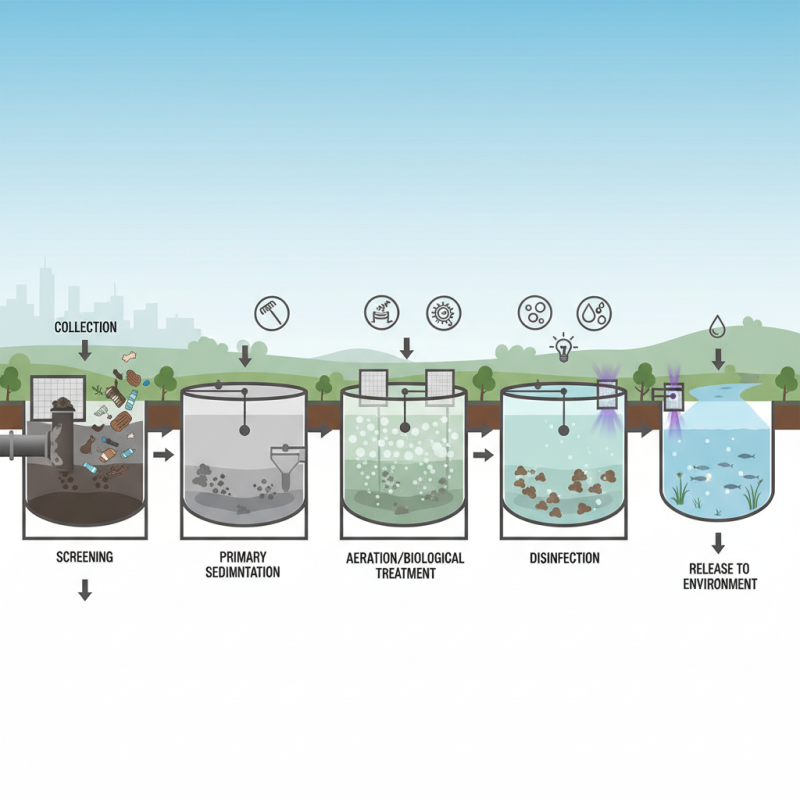
In this discussion, we will break down the wastewater treatment process into easily digestible components. From the initial stages of collection and screening to the biological treatment and final disinfection, each phase plays a vital role in ensuring that the water released back into the environment meets safety standards. By explaining these stages clearly, we aim to provide readers with a foundational understanding of how wastewater is transformed from a potential hazard into a safe resource. This knowledge is essential as it underscores the importance of responsible water usage and the role each of us plays in maintaining the health of our planet.
Overview of Wastewater Treatment and Its Importance
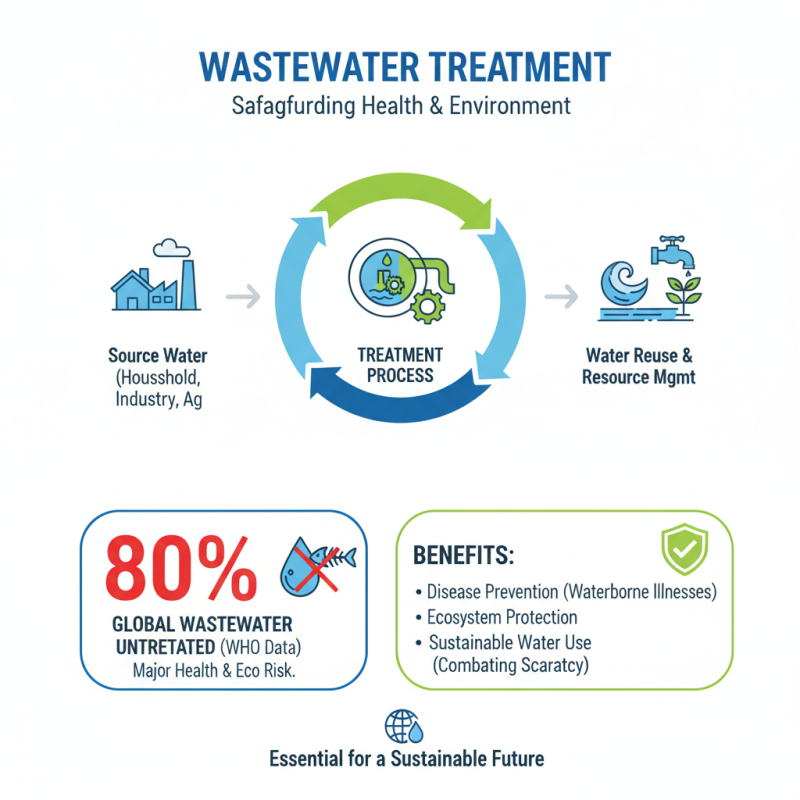
Wastewater treatment is a critical process that safeguards public health and the environment by removing harmful contaminants from water used in households, industries, and agriculture. According to the World Health Organization, approximately 80% of the world’s wastewater is discharged untreated, posing significant risks to ecosystems and human health. Effective treatment not only prevents the spread of waterborne diseases but also contributes to the sustainable management of water resources, essential in combating the global water scarcity crisis.
The importance of wastewater treatment extends beyond public health; it also plays a vital role in environmental protection. The United Nations estimates that by 2025, two-thirds of the global population could be living under water-stressed conditions, emphasizing the need for efficient water management practices. Advanced wastewater treatment processes can recycle and replenish valuable water resources. In fact, research indicates that treated wastewater can account for over 30% of the water supply in urban areas and can be reused for agricultural irrigation, thereby alleviating pressure on freshwater sources and promoting sustainable agricultural practices.
Key Stages in the Wastewater Treatment Process
The wastewater treatment process is essential for managing used water in a way that protects both public health and the environment. This process generally unfolds in several key stages: preliminary treatment, primary treatment, secondary treatment, and tertiary treatment. Each stage plays a crucial role in removing contaminants and ensuring that the treated water meets safety standards before it is released back into the environment or reused.
During the preliminary treatment phase, large debris such as sticks, plastics, and other solid waste is removed through screening processes. According to the Environmental Protection Agency (EPA), this stage is vital as it prevents damage to equipment in subsequent treatment phases. Following this, primary treatment involves sedimentation, where heavier solids settle at the bottom of a tank, reducing the overall pollutant load by up to 50-70% before moving on to secondary treatment.
Secondary treatment is typically biological, employing microorganisms to further break down organic matter. The resulting effluent during this stage can achieve a removal efficiency of up to 90% for organic pollutants, as supported by data from the Water Environment Federation. Finally, tertiary treatment offers an additional layer of purification. This stage can include chemical processes or advanced filtration to remove remaining contaminants, ensuring that the treated water meets strict regulatory standards. Collectively, these stages form a comprehensive system that is essential for sustainable water management practices.
Preliminary Treatment: Removing Large Debris and Solids
Preliminary treatment is the first crucial step in the wastewater treatment process, aimed at removing large debris and solids from the influent. During this phase, wastewater from households and industries enters the treatment facility, typically through a screening system. This system consists of various methods, such as screens and grates, which capture large items such as sticks, leaves, plastics, and other debris that could damage equipment or hinder the treatment process. By removing these larger materials, facilities can ensure a smoother operation in subsequent treatment stages.
Following the screening, the wastewater may pass through a grit chamber, where heavier solids, such as sand and gravel, settle to the bottom due to gravity. This step is essential for minimizing wear and tear on pumps and other machinery used in later stages of treatment. Proper preliminary treatment not only protects the infrastructure but also enhances the overall efficiency of the wastewater treatment system. By effectively managing the incoming load of solid waste, treatment plants can focus more resources on addressing dissolved and suspended contaminants in the later phases of the treatment process.
What is the Wastewater Treatment Process Explained in Simple Terms - Preliminary Treatment: Removing Large Debris and Solids
| Stage |
Description |
Common Methods |
Estimated Removal Efficiency |
| Screening |
Removal of large objects like sticks, leaves, and plastic. |
Bar screens, fine screens |
60-90% |
| Grit Removal |
Separation of sand, gravel, and other heavy particles. |
Grit chambers, sedimentation |
90-98% |
| Flow Equalization |
Regulating wastewater flow to maintain a consistent rate. |
Equalization basins |
N/A |
| Preliminary Treatment |
Initial treatment of wastewater before biological processes. |
Combination of screening and grit removal |
70-95% |
Secondary Treatment: Biological Processes for Contaminant Reduction
Secondary treatment in wastewater treatment is a critical stage where biological processes are employed to significantly reduce contaminants. During this phase, microorganisms play a pivotal role in breaking down organic matter, resulting in cleaner water. According to the U.S. Environmental Protection Agency (EPA), secondary treatment can reduce biochemical oxygen demand (BOD) by 85% or more, which is essential for protecting aquatic ecosystems and public health. The most common methods include activated sludge systems and trickling filters, both of which harness the natural abilities of bacteria and other microorganisms to decompose waste.
In activated sludge systems, wastewater is aerated, allowing bacteria to thrive and consume organic pollutants. This process not only reduces harmful substances but also generates biomass that can be further processed. The EPA estimates that implementing effective secondary treatment methods can prevent the discharge of billions of pounds of pollutants into waterways each year. Similarly, trickling filters utilize a less energy-intensive approach by allowing wastewater to flow over media, which supports microbial growth. These biological processes ensure that treated effluent meets stringent quality standards—improving overall environmental protection and contributing to sustainable water management practices.
Secondary Treatment of Wastewater: Biological Processes for Contaminant Reduction
This bar chart illustrates the effectiveness of different biological processes used in secondary wastewater treatment for reducing contaminants. The processes evaluated include Activated Sludge Process, Trickling Filter, and Rotating Biological Contactor.
Tertiary Treatment: Advanced Filtration and Disinfection Methods
Tertiary treatment is the final stage in the wastewater treatment process and focuses on advanced filtration and disinfection methods to ensure that the water is clean and safe for various uses. During this stage, wastewater undergoes techniques that remove remaining impurities and pathogens after primary and secondary treatments. Common methods include
sand filtration,
membrane filtration, and
biological filtration, each of which targets specific contaminants to enhance overall water quality.

Disinfection is a critical component of tertiary treatment. Various techniques such as
chlorination,
UV radiation, and
ozonation are employed to eliminate harmful microorganisms that may still be present in the treated water.
Chlorination involves adding chlorine to the water, which effectively kills bacteria and viruses, while UV radiation uses light to disrupt the DNA of pathogens, rendering them inactive. These methods not only protect public health but also prepare treated water for potential reuse in irrigation, industrial processes, or even as potable water, depending on regulatory standards.
The integration of advanced filtration and disinfection in tertiary treatment highlights the importance of ensuring that wastewater is managed sustainably and responsibly.