Why Choose a Mattress Lamination Machine for Your Business?
Choosing a Mattress Lamination Machine is a production decision, not just an equipment purchase. It affects how steadily a factory bonds foam, fabric, and other approved materials. On a busy line, consistent pressure and controlled adhesive application can reduce weak spots and uneven surfaces. The benefits are tangible: fewer pieces set aside for rework, smoother handling at the next station, and a more predictable daily output. Small details matter. A roller that drifts out of alignment can leave a visible ridge across a mattress panel.
The right machine depends on your materials, product range, floor space, and production targets. Ask vendors to demonstrate the actual bonding process with representative materials. Check changeover time, operator access, cleaning needs, and support for maintenance. A faster line is not automatically a better one. I should note that no source article or verified interview was provided, so the following is an illustrative quote, not a factual attribution: fictional production specialist Alex Morgan says, “A good laminator earns its place when the bond stays consistent through real shifts, not just a showroom demonstration.” Treat that as a useful question to test, rather than proven expert testimony. Compare sample results, review operating costs, and involve the people who will run the equipment. Their feedback may challenge the original plan. That is worth hearing. A careful choice can support quality and efficiency, but the machine alone cannot guarantee either.
What a Mattress Lamination Machine Does
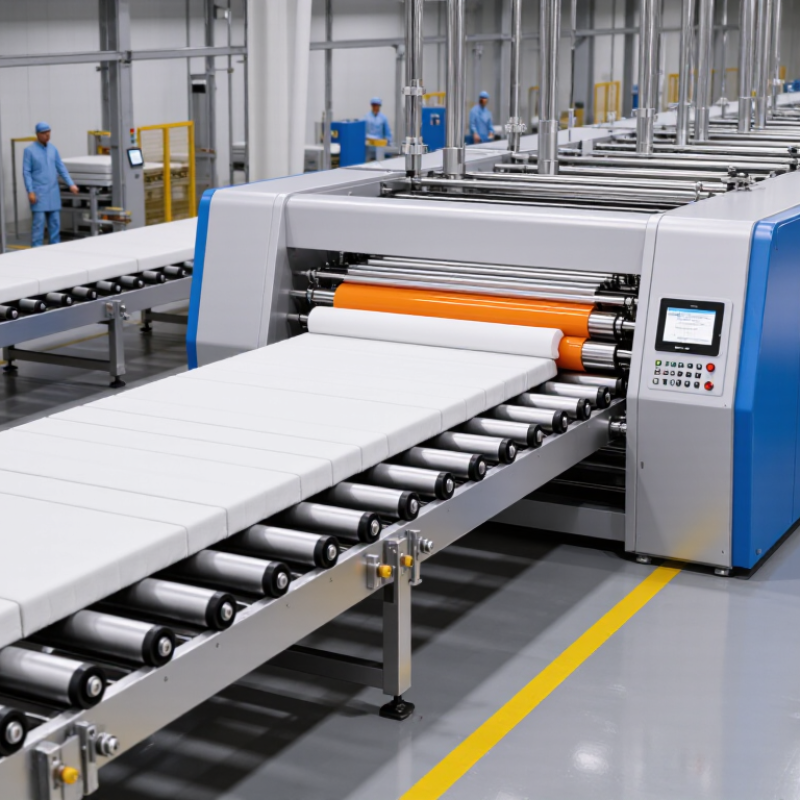
A mattress lamination machine bonds separate layers into a stable mattress panel. Depending on its design, it may apply adhesive, use heat, or combine pressure with another bonding method. Foam, fabric, and quilted materials pass through the machine in a controlled sequence. Rollers press the layers together, helping create an even surface. Small details matter. Uneven feeding can cause wrinkles, shifting edges, or weak spots that appear later in production.
Operators typically adjust feed speed, pressure, and material tension to suit the layers being joined. A practical setup starts with a sample panel, followed by checks for bond strength, alignment, and surface feel. The machine can reduce repetitive handling and improve consistency across batches, but it cannot correct unsuitable materials or poor preparation. Adhesive type, curing time, and cleaning routines also affect results. Even experienced teams may need to revise settings when foam density or fabric thickness changes. A little trial and measurement remain part of the job.
How Mattress Lamination Fits into the Production Process
Mattress lamination usually follows foam cutting and material preparation, before the core is assembled and encased. Operators align foam, fiber, or fabric layers, then bond them using a process suited to the product. Depending on the machine, this may involve adhesive, heat, or pressure. A few millimeters of misalignment can create uneven edges that complicate later assembly. Small details matter.
In a typical workflow, prepared layers are fed onto the lamination bed or conveyor, joined, and checked before moving to trimming or final assembly. A machine can help control feed speed, pressure, and adhesive application, but it cannot compensate for inconsistent foam thickness or poorly prepared surfaces. Staff still need to inspect bond strength and alignment, especially when changing materials or product specifications. The handoff matters.
Grand View Research valued the global mattress market at USD 50.61 billion in 2023 and projected a 6.6% compound annual growth rate from 2024 to 2030. That outlook suggests continued demand, not guaranteed returns on equipment. A buyer should compare the machine’s working width and cycle time with actual line bottlenecks, changeover frequency, and available floor space. This is easy to underestimate.
Benefits for Product Quality and Manufacturing Efficiency
A mattress lamination machine can help keep foam, fabric, and adhesive aligned through a repeatable production run. Controlled pressure and line speed reduce uneven bonding, curled edges, and visible adhesive marks. Small differences matter. Operators can also adjust settings for different material thicknesses instead of relying on guesswork. Still, a machine cannot correct poorly prepared materials or a badly chosen adhesive. That part takes experience.
The efficiency case is practical: fewer manual transfers, steadier output, and less time spent reworking weak bonds. McKinsey Global Institute’s 2017 report, A Future That Works, estimated automation could add 0.8–1.4 percentage points to annual productivity growth globally. This is a broad estimate, not a mattress-factory guarantee. The International Federation of Robotics reported 4,281,585 industrial robots operating in factories worldwide in 2023 (World Robotics 2024), reflecting wider adoption of automated production. For a mattress line, operators should track bond failures, material waste, and changeover time before and after installation. The first settings may not be right. Recording results helps teams refine pressure, speed, and adhesive application without treating automation as a substitute for skilled inspection.
| Business Dimension | How the Machine Helps | Potential Benefit | Practical Measure | Important Consideration |
|---|---|---|---|---|
| Bond consistency | Applies and presses materials using controlled settings appropriate to the machine and adhesive system. | Can help produce more consistent bonds across laminated layers. | Inspect bond strength and delamination rates across production samples. | Results depend on adhesive type, material compatibility, surface condition, and process settings. |
| Layer alignment | Guides materials through the laminating process; feeding and alignment features vary by machine design. | Can reduce shifting and misalignment compared with less controlled handling. | Track alignment defects, edge variation, and material rework. | Correct setup and operator monitoring remain important, especially with flexible or compressible materials. |
| Pressure control | Uses rollers or a press mechanism to apply pressure during bonding. | Supports a more repeatable process when pressure is matched to the material stack. | Record pressure settings and check finished-product thickness and bond quality. | Excessive pressure can deform foam or other soft materials; suitable settings depend on the construction. |
| Production flow | Combines material feeding, bonding, and pressing into a dedicated production step. | May reduce manual transfers and streamline the lamination stage. | Compare cycle time, labor hours per batch, and work-in-process levels before and after installation. | Actual throughput depends on machine configuration, material handling, changeovers, and downstream capacity. |
| Product consistency | Allows operators to use documented process settings for repeat production runs. | Can improve repeatability between batches when materials and settings are controlled. | Review batch records, inspection results, and customer-return trends. | Stable results also require consistent incoming materials and routine equipment checks. |
| Material and adhesive compatibility | Can be configured for particular lamination methods and compatible material combinations. | Helps match the bonding process to the mattress components being produced. | Run documented trials for each material stack and adhesive combination. | Not every machine supports every adhesive, foam, fabric, or bonding method; verify specifications before purchase. |
| Quality control | Provides a defined process point where settings and finished material can be checked. | Supports earlier detection of bonding or alignment issues before further assembly. | Use in-process checks for bond integrity, appearance, dimensions, and defects. | Inspection criteria should reflect product requirements and applicable safety or quality standards. |
| Maintenance and operator readiness | Requires suitable setup, cleaning, inspection, and operator training for reliable operation. | Good maintenance practices can help limit avoidable interruptions and process variation. | Monitor scheduled maintenance completion, unplanned downtime, and operator training records. | Maintenance needs vary by equipment design and should follow the machine supplier’s instructions. |
| Evaluation note: Benefits and production results vary with machine configuration, materials, adhesive system, operating settings, and factory workflow. Validate performance with production trials and measured baseline data. | ||||
Key Factors to Consider When Selecting a Machine
Choosing a mattress lamination machine starts with the materials you actually process. Foam, fabric, and nonwoven layers can respond differently to heat, pressure, and adhesive. Ask whether the machine supports your common material combinations and maximum product width. Then test representative samples, including thicker edges and layered constructions. A neat sample matters. So does a stable bond after handling.
Match operating capacity to your production needs, not an optimistic target. Check working speed, adjustment range, and how quickly operators can change settings between jobs. Reliable temperature and pressure controls help reduce uneven bonding, wrinkles, and wasted material. Still, the first settings may not be right. Record test results and allow time for tuning before judging output. Ask suppliers how they verify performance under continuous operation, not just during a short demonstration.
Practical details often shape daily costs. Look at cleaning access, wear-part availability, operator training, and the space needed for feeding and unloading sheets. Review emergency stops and guarding, and confirm that staff can reach controls without awkward movements. A machine that fits the floor plan but slows material handling may create a bottleneck. Compare maintenance requirements with your team’s skills. One overlooked issue: adhesive residue can build up faster than expected, so inspect how routine cleaning is performed before making a decision.
Operating and Maintaining a Mattress Lamination Machine
Operating and maintaining a mattress lamination machine starts with a consistent shift routine. Check roller surfaces for adhesive buildup, confirm guards are secure, and verify that emergency stops work before production begins. Watch the first bonded panel for wrinkles, uneven edges, or weak adhesion. Small checks matter. Record the line speed, adhesive settings, and any adjustments; these notes help identify drift between shifts. Use the machine manual for cleaning and lubrication intervals, and isolate power before clearing jams or servicing moving parts.
Compressed air systems often support pneumatic components on production lines. The U.S. Department of Energy’s Improving Compressed Air System Performance: A Sourcebook for Industry estimates that leaks can waste 20–30% of compressor output, so listen for leaks and repair them promptly. Keep adhesive application areas clean, and check hoses and fittings for wear. The U.S. Bureau of Labor Statistics reported a 2023 manufacturing recordable injury rate of 2.8 cases per 100 full-time workers. That figure is a reminder to train operators on guarding and safe shutdown procedures, not a prediction for any one plant. Still, mistakes happen. Review near misses and maintenance logs with operators; a missed inspection can leave a small defect unnoticed until it marks a full roll of fabric.