2026 Best Sewer Treatment Plant for Global Buyers
Choosing the 2026 best sewer treatment plant takes more than comparing prices or advertised capacity. Global buyers need a system suited to local wastewater strength, daily flow, discharge targets, climate, and available operators. A compact package plant may fit a remote resort, while a city may need modular treatment that can expand as demand grows. Details matter: sludge handling, odor control, spare-parts access, and the space needed for maintenance can shape years of operating costs.
Dr. Bruce Rittmann, an environmental engineer known for research in environmental biotechnology, has advanced resource recovery in wastewater treatment. A practical paraphrase of that work is: “A treatment plant should recover useful resources, not only remove pollutants.” That principle helps buyers examine energy use, treated-water reuse, and solids management alongside effluent quality. Ask for performance data under conditions close to your own, not just a polished demonstration. Check what happens during peak flow, power interruptions, or seasonal temperature shifts. Small operational details count.
This guide compares treatment approaches, core equipment, and supplier questions for buyers across regions. It also recognizes a real limitation: no single design suits every site. Local testing and qualified engineering review remain essential before purchase. A low quotation can conceal costly upgrades. The right plant is the one your team can operate, maintain, and verify reliably over time.
What a Sewer Treatment Plant Is and What It Treats
A sewer treatment plant receives wastewater carried through underground pipes from homes, businesses, and public buildings. It treats sewage before the water returns to a river, lake, or other receiving environment. The incoming flow may contain human waste, food particles, soaps, oils, and disease-causing microorganisms. Not every plant receives the same mix. Stormwater connections or industrial discharges can change it considerably.
Treatment usually begins with screens that catch rags and plastic, followed by grit removal and settling tanks. Then, microorganisms break down much of the remaining organic pollution. Disinfection may reduce pathogens before treated water is released or reused. Sludge also needs processing; it is not simply harmless dirt. Treatment levels and equipment vary with local conditions and the intended water use. A plant can reduce pollution, but it cannot make every contaminant disappear.
The scale of the challenge is clear. UN-Water’s 2024 SDG 6 progress report estimates that
42% of household wastewater was not safely treated in 2022, equal to about 113 billion cubic metres.
That figure describes a global gap, not the performance of any individual plant.
For buyers, the practical question is what enters the sewer, what the facility is designed to remove, and how results are monitored. The answer may be less tidy than a process diagram.
How Wastewater Moves Through Each Treatment Stage
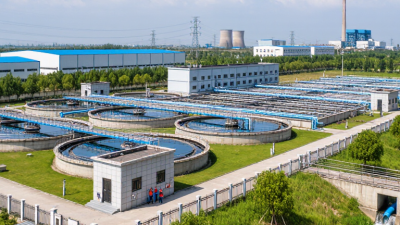
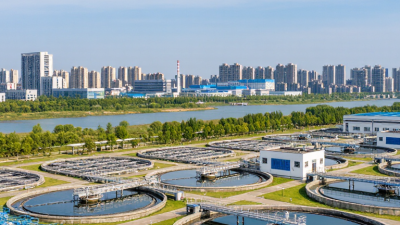
At a wastewater treatment plant, the process begins with a practical job: removing what should not enter the system. Coarse screens catch rags, wipes, and plastic fragments. A grated basket may emerge wet and heavy. Grit chambers then slow the flow, allowing sand and small stones to settle before they wear down pumps. The flow slows. Operators check screens and channels because a blocked inlet can disrupt every stage that follows.
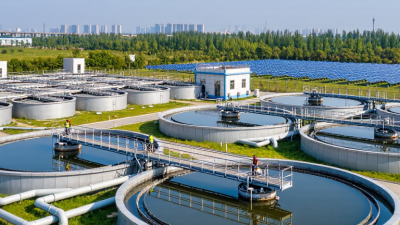
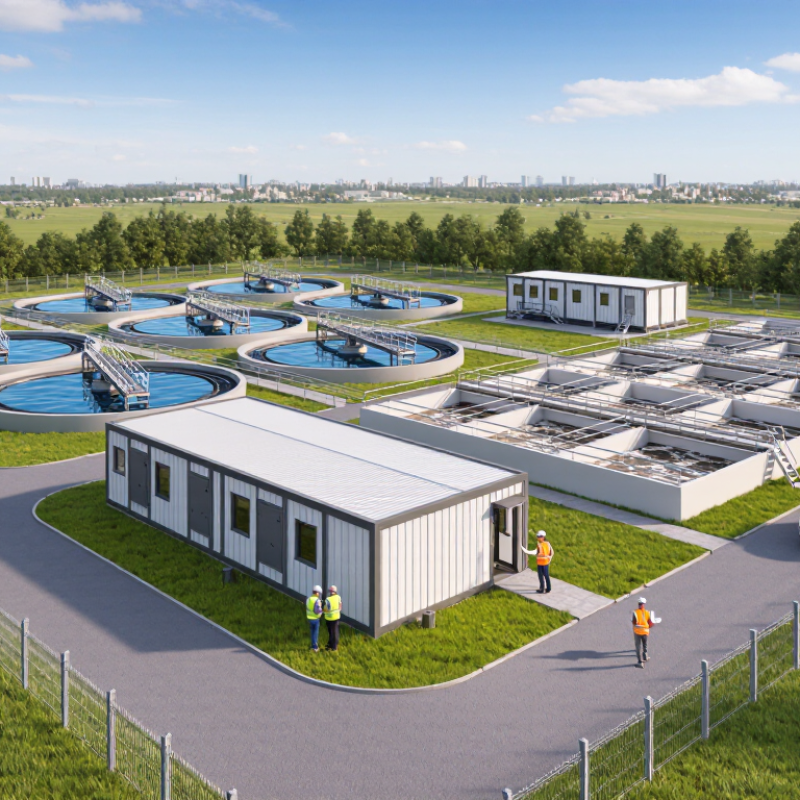
In primary clarifiers, wastewater rests while heavier solids sink and fats rise. Scrapers move settled sludge toward collection points. The partly clarified water then enters biological treatment, where air and naturally occurring microorganisms help break down dissolved organic matter.
Then comes biology. Blowers keep the tanks supplied with oxygen, and operators monitor airflow, temperature, and process readings. A small change in incoming wastewater can affect the balance; the ideal settings are not identical at every plant. Secondary clarifiers separate the microorganisms from the treated water, returning some to the aeration tanks. Depending on local discharge requirements and the intended reuse, additional filtration and disinfection may follow. Fine filters can capture remaining particles, while ultraviolet light or carefully controlled disinfectant reduces pathogens. Sludge from settling stages is thickened and treated separately. The sequence sounds tidy on paper, but real flows vary with rain, daily demand, and equipment condition, so steady sampling and maintenance matter.
Which Plant Types and Technologies Are Available
Global buyers should compare plant types against wastewater flow, land, climate, and discharge requirements. The UN-Water report Progress on Wastewater Treatment 2024 estimates that 42% of household wastewater generated worldwide in 2022 was not safely treated. That gap makes dependable operation as important as nameplate capacity. The choice matters.
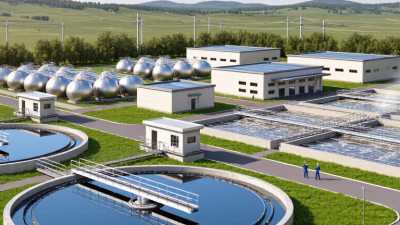
Conventional activated sludge suits many municipal systems, but needs steady aeration and skilled process control. Sequencing batch reactors handle treatment in timed cycles and can fit sites with changing flows. Moving-bed biofilm systems add treatment media inside tanks, while membrane bioreactors combine biological treatment with fine filtration. Lagoons can be simpler where land is plentiful, though performance may vary with temperature and season. Packaged plants can serve smaller communities or remote facilities.
Technology choices include screening, biological nutrient removal, filtration, ultraviolet disinfection, and chlorination. Anaerobic digestion can stabilize sludge and recover biogas at larger sites. The World Bank’s 2020 report Wastewater: From Waste to Resource discusses wastewater as a source of water, energy, and nutrients. Reuse goals may therefore justify extra polishing steps. A neat process diagram can hide difficult maintenance needs. Even a correctly sized plant can disappoint if sludge handling, spare parts, or operator training are overlooked. Request performance data across peak flows, not only average conditions. Pilot testing is not always convenient, but it can expose problems before construction.
How Global Buyers Can Compare Plants in 2026
Global buyers should compare sewer treatment plants against measured influent, not brochure capacity. UN-Water’s 2024 Progress on Wastewater Treatment update estimates that 42% of household wastewater was not safely treated in 2022. The same report puts the untreated or inadequately treated volume at 113 billion cubic metres. That gap makes local performance evidence essential. Request at least twelve months of flow and laboratory data, including peak wet-weather loads, temperature, and industrial inputs. Ask suppliers to model those conditions, then verify their assumptions through a reference-plant visit. One dry-season sample is not enough.
Compare lifecycle costs, not just purchase prices: electricity per cubic metre, chemicals, sludge handling, replacement parts, and staffing. Ask for guaranteed effluent results across your actual inlet range, plus the test method and sampling frequency. Check how the process responds to outages, spare-part delays, and limited operator coverage. Simple systems can be easier to run but may need more land; compact systems may require tighter maintenance. Trade-offs are real. Review energy and sludge figures against operating records, not estimates alone. Require a commissioning plan, operator training, and clear performance remedies in the contract. No comparison is perfect. Even strong records cannot predict every storm or staffing gap.
What to Check Before Purchase, Installation, and Operation
Choosing a sewer treatment plant starts with the wastewater, not the catalogue.
Record daily flow, peak-hour surges, and likely changes in occupancy or production. Ask for design assumptions and documented performance data under comparable conditions. Request a process diagram, equipment list, and clear limits for influent quality. Small details matter. A unit sized only for average flow may struggle during a morning peak or heavy rain.
Before purchase, check what the site can actually support.
Measure available footprint, access for delivery vehicles, power supply, drainage, and the distance to discharge or reuse points. Confirm which civil works, piping, controls, and commissioning tasks are included. Get local engineers to review soil conditions and the proposed foundation. Do not guess. A compact layout can look efficient on paper but leave no safe room for maintenance.
Before operation, ask about staffing, routine checks, spare parts, and alarm response.
Operators should know how to read flow and level indicators, inspect pumps, and record unusual odors or changes in effluent clarity. Confirm sampling points and agree on practical maintenance intervals with the supplier. Keep a log from the first week. Some assumptions will prove wrong; revise operating settings only after checking measurements, not by instinct.