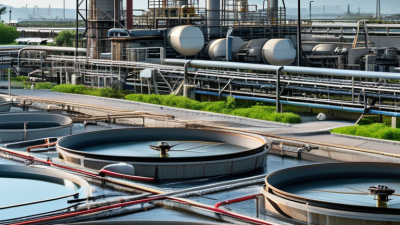
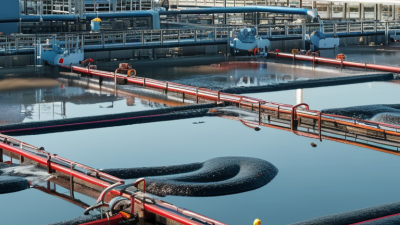
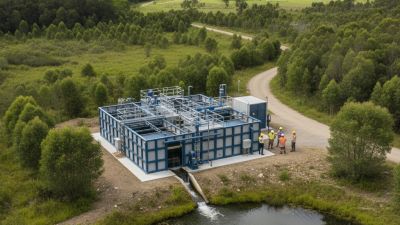
How to Choose the Right Sewer Treatment Plant?
Choosing a sewer treatment plant is not simply a matter of buying the largest tank. It is a long-term decision about public health, operating risk, energy use, and receiving-water protection. The UN World Water Development Report 2017 estimated that more than 80% of global wastewater enters the environment without adequate treatment. The WHO and UNICEF Joint Monitoring Programme also reported that 3.5 billion people lacked safely managed sanitation in 2022. These figures make plant selection a practical responsibility, not a paperwork exercise.
David Sedlak, a wastewater researcher at the University of California, Berkeley, has emphasized, “Wastewater is a resource, not a waste.” That idea should influence the design review. A suitable sewer treatment plant may recover biogas, reuse treated water, or capture nutrients. Yet these benefits depend on local conditions. Influent strength, daily flow changes, rainfall, industrial discharge, land limits, labor skills, and sludge disposal options all matter. A compact plant may fit a crowded site, but it can become difficult to maintain. A sophisticated system may perform well, but only with trained operators and reliable power.
Look closely at the inlet works. Picture rags, grit, grease, and stormwater arriving during a heavy rain. Can the equipment cope without bypassing treatment? Check verified removal performance, spare-parts availability, energy consumption, automation needs, and total lifecycle cost. Do not trust a polished brochure alone. I might overvalue advanced technology and undervalue maintenance access. That is a common mistake. The right choice balances proven treatment results, future expansion, transparent data, and the people who must operate the plant every day.
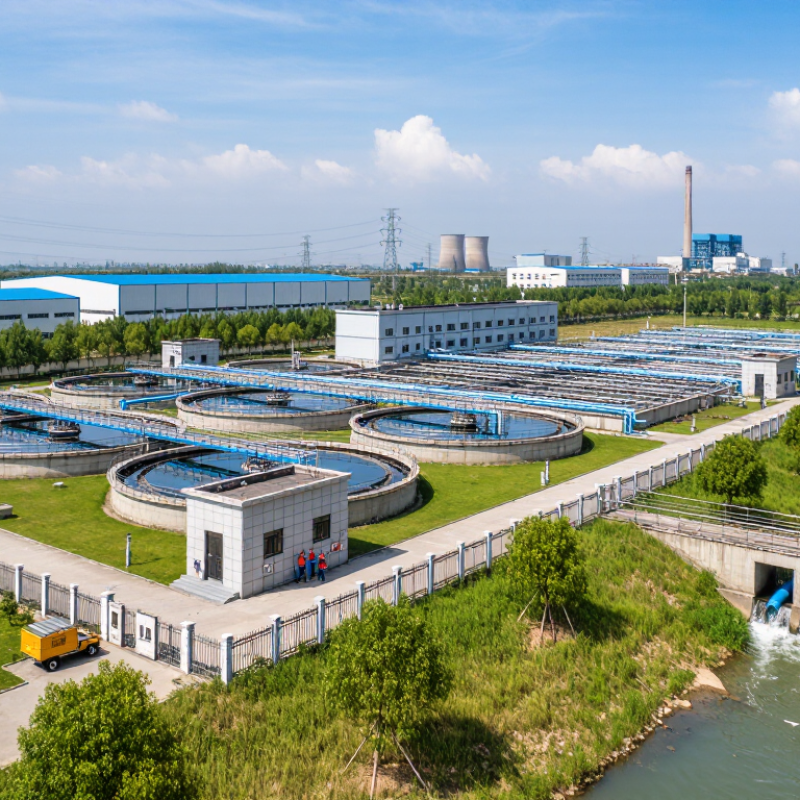
Assess the Wastewater Characteristics and Treatment Requirements
Choosing the right sewer treatment plant begins with the wastewater, not the equipment brochure. Collect representative samples from each discharge point during dry and peak production periods. Measure flow, pH, temperature, suspended solids, BOD, COD, nitrogen, phosphorus, fats, oils, and grease. Include toxic compounds, salinity, and cleaning chemicals when industrial processes create them. A single morning sample can mislead. I have seen designs fail because weekend flows and seasonal temperatures were ignored. Record hourly flow changes, shock loads, and sewer infiltration.
Match those findings to applicable effluent limits, reuse goals, and receiving-water sensitivity. A municipal connection may require pretreatment, while onsite discharge can demand biological and advanced polishing stages. High ammonia may need nitrification and denitrification. Phosphorus control may require chemical dosing or biological removal. Choose processes that tolerate measured variation, not only average laboratory results. Plan equalization, screening, grit removal, sludge handling, odor control, and safe operator access from the beginning. Ask an independent wastewater engineer to verify sampling methods and calculations. This is worth the time. Even experienced teams miss details. Recheck assumptions after pilot testing, because actual wastewater often behaves differently than expected.
How to Choose the Right Sewer Treatment Plant?
Assess the Wastewater Characteristics and Treatment Requirements
Typical domestic wastewater contains approximately 250 mg/L BOD₅, 500 mg/L COD, 300 mg/L TSS, 40 mg/L total nitrogen, and 7 mg/L total phosphorus. Higher organic loads may require biological treatment, elevated nitrogen may require nitrification and denitrification, and phosphorus levels may require biological or chemical phosphorus removal. Actual plant selection should be based on laboratory testing, flow variation, discharge limits, and local regulations.
Compare Sewer Treatment Plant Types and Core Technologies
Choosing a sewer treatment plant starts with comparing process types, not copying a nearby design. My field reviews begin with flow records, peak-hour samples, and a walk around the proposed site.
A small domestic facility may suit a sequencing batch reactor, where aeration and settling occur in one tank. It saves space, but operators must manage changing cycles carefully.
Continuous-flow activated sludge systems handle steady loads well and remain familiar to many operators. They need separate tanks, pumps, and dependable return-sludge control.
For tighter discharge limits, membrane bioreactors combine biological treatment with fine membrane separation. The effluent can be clear, yet membranes require cleaning, energy, and disciplined solids control. Moving-bed biofilm reactors use plastic carriers to support microbes and can improve capacity within existing tanks. Their performance depends on aeration, mixing, and carrier retention screens. Anaerobic systems may reduce energy use for strong wastewater, but they need suitable temperatures and careful gas management.
Compare technologies by influent strength, land, electricity reliability, operator skill, sludge handling, and future expansion. Do not judge from laboratory removal rates alone.
Visit operating sites during rainy and low-flow periods. Ask how often alarms occur, how quickly spare parts arrive, and who calibrates sensors.
A design can look excellent on paper and disappoint beside a clogged screen or failed blower. I have seen this gap more than once. The safest choice is often less fashionable: a process your team can monitor, repair, and explain every day.
Evaluate Capacity, Site Conditions, and Expansion Potential
How to Choose the Right Sewer Treatment Plant?
Choosing a sewer treatment plant starts with reliable flow and pollutant data. Measure average daily flow, peak hourly flow, and wet-weather infiltration. A plant sized only for today may struggle after a housing project opens nearby. Peak flow matters. Record morning surges, industrial discharge patterns, and seasonal changes before selecting treatment equipment. Leave a practical safety margin, but avoid paying for unused capacity.
Site conditions can change the entire design. Check soil strength, groundwater levels, flood risk, and available electrical service. A geotechnical survey is more useful than a visual inspection. Do not trust a flat plot alone. Keep access roads wide enough for maintenance vehicles and sludge removal. Consider nearby homes, prevailing wind, noise, odor control, and the final discharge route. Local permits and environmental limits must shape the layout from the beginning.
Expansion potential deserves equal attention. Reserve space for additional tanks, pumps, blowers, and control systems. Design pipe connections with future upgrades in mind. Empty land is not enough. The hydraulic profile, foundation strength, and power supply must support later construction. In practice, operators often discover that an overlooked valve chamber blocks expansion. That mistake is expensive. Review laboratory records, operating costs, and maintenance logs with qualified wastewater professionals. I would also revisit the design after one year of operation, because early assumptions are sometimes wrong.
Review Compliance, Automation, Maintenance, and Safety Features
Choosing a sewer treatment plant begins with compliance, not equipment capacity. Ask for current discharge limits, inspection records, and documented operating procedures. A reliable supplier should explain sampling points, alarm thresholds, and reporting duties in plain English. Visit an operating site if possible. Look for clean walkways, labeled pipes, and recent maintenance logs. Paperwork matters.
Automation should reduce guesswork, not remove human judgment. Check whether sensors track flow, dissolved oxygen, pH, and sludge levels continuously. Confirm alarms reach trained staff through more than one channel. Manual override is essential during sensor failure or unusual influent conditions. Request trend data from similar installations, not only a polished demonstration. Operators need simple screens and clear instructions. Fancy dashboards can distract.
Maintenance planning often reveals the plant’s real quality. Review access to pumps, valves, and tanks before purchase. Ask how quickly common parts arrive and whether technicians can work without confined-space exposure. Guardrails, gas detection, ventilation, lockout procedures, and emergency wash stations deserve close inspection. Schedule preventive tasks around actual load patterns. A calendar alone is not enough. I would also test an outage scenario with the operating team. This exercise may expose weak backups, unclear roles, or unrealistic response times. No design is flawless; honest gaps are easier to manage than hidden ones.