How Does Wastewater Treatment Plant Process Work in China?

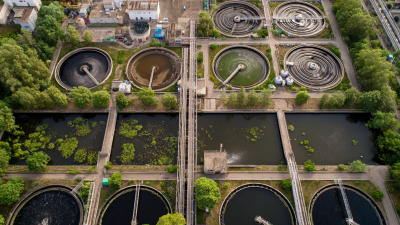
China’s wastewater treatment plant process is a coordinated chain that turns polluted water into a safer discharge. It usually begins with screening, grit removal, and flow regulation. Bar screens catch plastics, cloth, and other large debris. Grit chambers remove sand before it damages pumps and tanks. The water changes.

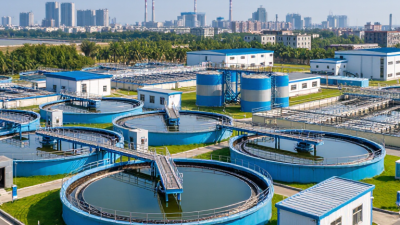
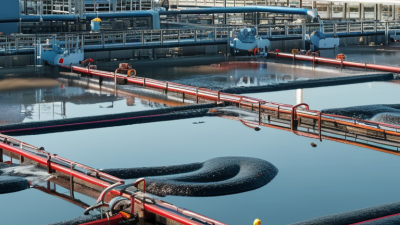
In a typical municipal plant, biological treatment follows preliminary separation. Microorganisms consume dissolved organic matter inside aeration tanks. Air bubbles rise continuously, supporting microbial activity and mixing the water. Secondary clarifiers then separate treated water from biological sludge. Some sludge returns to the aeration tank, while excess sludge moves toward thickening, digestion, dewatering, or disposal. Odor control, laboratory testing, and equipment maintenance support stable operation. That detail matters.

Advanced treatment may include chemical phosphorus removal, filtration, ultraviolet disinfection, or membrane systems. The selected method depends on influent quality, local discharge limits, climate, land availability, and reuse goals. In China, operators commonly work under national requirements such as the Integrated Wastewater Discharge Standard and applicable local regulations. However, standards and permit conditions can differ by region and receiving water body. A reliable assessment should examine laboratory records, online monitoring data, sludge handling practices, and actual operating conditions, not only equipment brochures. Numbers can look impressive. Performance still requires evidence. The process is not perfectly uniform, and occasional fluctuations may reveal design, maintenance, or operator weaknesses. Understanding these practical limits helps readers judge treatment efficiency more realistically and recognize why professional management remains essential.
How Does Wastewater Treatment Plant Process Work in China?

Wastewater Sources and Treatment Goals in China

How Does Wastewater Treatment Plant Process Work in China?

China’s wastewater comes from many daily activities. Homes send toilets, kitchens, and washing water into municipal sewers. Factories may produce wastewater containing oils, salts, metals, or biodegradable chemicals. Rain can also carry dust and litter from roads into collection systems. In rural areas, scattered homes create a different challenge because pipelines are often limited. The source determines the treatment design.

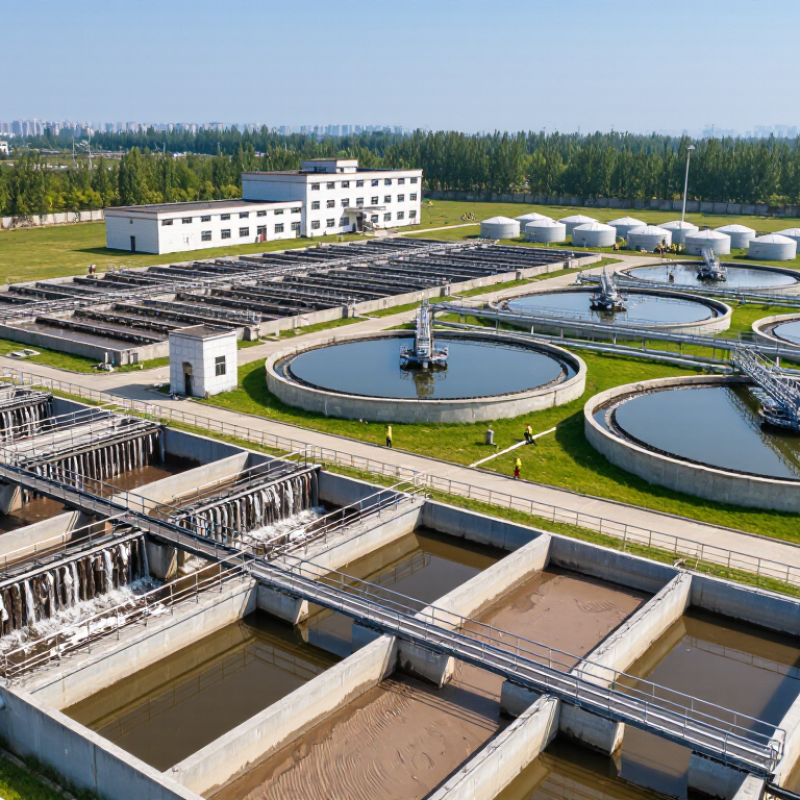
Treatment usually begins with screens that catch plastic, cloth, and larger debris. Grit chambers then remove sand and small stones. In primary settling tanks, heavier solids sink while grease rises.

Biological tanks use microorganisms to reduce dissolved organic matter. Some plants also remove nitrogen and phosphorus, especially where rivers and lakes need stronger protection. Disinfection helps control pathogens before discharge or reuse.

The goals are practical: protect rivers, reduce odors, prevent disease, and support safer water reuse. Treated water may help with landscaping, industrial cooling, or urban cleaning. Sludge still needs careful handling, because treatment does not make pollutants disappear. The system is not flawless. Heavy rain can overload sewers, and industrial wastewater may disturb biological organisms. Operators must test flow, oxygen, ammonia, and suspended solids regularly. A target can look simple on paper. Real water is less predictable.

Preliminary Screening and Grit Removal

In China, wastewater treatment often begins with equipment that looks almost too simple: bars, channels, and a grit chamber. Preliminary screening removes rags, plastics, sticks, and other coarse solids before pumps and biological tanks. Fine screens capture smaller particles. The China Urban Construction Statistical Yearbook 2022 reported more than 200 million cubic meters of daily municipal wastewater treatment capacity nationwide. At this scale, a small front-end failure can affect an entire plant.

At the inlet works, coarse screens commonly use wider openings, while fine screens protect downstream pumps and aeration equipment. Screenings should be washed, compacted, and removed safely. They should not remain beside the channel. Grit chambers then slow the flow and separate dense particles, including sand, gravel, and eggshell-like fragments. The Water Environment Federation’s Manual of Practice No. 8 identifies about 0.3 meters per second as a common velocity target for controlled grit removal. Too fast, and grit passes through. Too slow, and organic solids settle with it.

Field operation is less perfect than a design drawing suggests. Heavy rain can quickly change inlet flow and reduce separation accuracy. Operators should inspect screen teeth, rake cycles, and grit deposits every shift.

I once considered regular cleaning sufficient, but that assumption was too optimistic. Sensors can drift, and manual records may miss short flow peaks. China’s wastewater expansion shows strong infrastructure progress, yet preliminary units still need local adjustment, careful maintenance, and honest review of operating data.

Primary Sedimentation and Organic Matter Separation

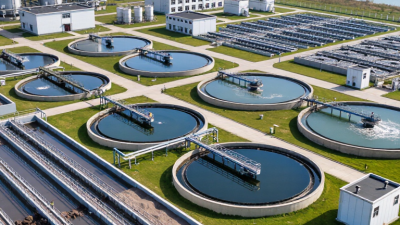
In many wastewater treatment plants in China, primary sedimentation follows screening and grit removal. It is a quiet but important stage. The incoming water enters a large clarifier at a controlled, slow speed. Gravity separates dense organic solids from the liquid stream. Food particles, fecal matter, and other settleable materials sink into a sludge hopper. Floating grease and scum move toward the surface. Mechanical scrapers collect both materials for further handling.

Operators check water depth, sludge blanket levels, flow speed, and outlet clarity. These details matter during heavy rain, when hydraulic loading can rise quickly. Industrial wastewater may also change the settling behavior of organic particles. A well-adjusted clarifier can reduce suspended solids and part of the biochemical oxygen demand before biological treatment. The result is a lighter load for aeration tanks.

Primary sedimentation is not a complete organic matter solution. Dissolved organics remain in the water and usually need biological treatment later. Poor sludge removal can cause rising solids, odors, and unstable outlet quality. The process is not flawless. A design may look efficient on paper, yet real influent changes every day. Operators sometimes need to adjust scraping intervals and flow distribution after observing actual conditions. Small errors can matter. This is where practical monitoring supports reliable treatment more than fixed assumptions.

Biological Treatment and Nutrient Reduction

Biological Treatment and Nutrient Reduction

In China, many wastewater treatment plants use microorganisms to remove organic pollution and nutrients. After screening and settling, wastewater enters biological tanks with carefully controlled oxygen. In aerobic zones, bacteria convert ammonia into nitrate through nitrification. In anoxic zones, other microorganisms change nitrate into nitrogen gas, which safely leaves the water. The process needs accurate recycling between zones.

Phosphorus reduction depends on biological uptake and, where necessary, chemical assistance. Certain microorganisms absorb extra phosphorus when tanks alternate between oxygen-free and oxygen-rich conditions. Operators monitor dissolved oxygen, sludge age, temperature, and return flows each day. These details matter because cold weather can slow nitrification, while sudden industrial discharges may disturb the microbial community.

Plant staff also inspect settling tanks for rising sludge, foam, and unusual odors. A clear outlet does not always mean effective nutrient removal. Laboratory tests for ammonia, total nitrogen, and total phosphorus confirm what visual checks cannot show. Online instruments help, but sensors can drift and require calibration. No biological system performs perfectly. Poorly balanced recycling or excessive sludge can reduce treatment efficiency, even in a well-designed facility. Local discharge requirements and influent conditions determine the final operating strategy.

How Does Wastewater Treatment Plant Process Work in China? - Biological Treatment and Nutrient Reduction

Treatment Stage Main Biological or Physical Function Key Operating Conditions Primary Pollutants Reduced Typical Removal Range* Typical Monitoring Indicators
Preliminary Treatment Screens and grit removal protect downstream equipment by removing plastics, rags, sand, and other coarse solids. Hydraulic screening; controlled flow velocity in grit channels; regular screenings handling. Large debris, grit, floating materials, and settleable inorganic solids. Not normally rated as a nutrient-removal step Screenings volume, grit volume, headloss, flow rate.
Primary Sedimentation Gravity settling removes suspended and settleable organic solids before biological treatment. Typical detention time: approximately 1.5–2.5 hours; surface overflow rate commonly controlled by design. Suspended solids and particulate organic matter. SS: 50–70%
COD: 25–40%
Influent and effluent SS, sludge blanket depth, surface loading.
Anaerobic Zone Phosphorus-accumulating organisms release phosphate and take up readily biodegradable carbon, supporting enhanced biological phosphorus removal. Dissolved oxygen generally below 0.2 mg/L; nitrate and nitrite should be minimized; readily biodegradable carbon is important. Biodegradable carbon and phosphorus through biological phosphorus cycling. Phosphorus removal contribution varies widely with influent carbon availability DO, oxidation-reduction potential, phosphate, volatile fatty acids, nitrate.
Anoxic Zone Denitrifying bacteria convert nitrate and nitrite into nitrogen gas using biodegradable carbon under oxygen-limited conditions. DO generally below 0.5 mg/L; internal nitrate recycle is commonly used; sufficient carbon-to-nitrogen ratio is required. Nitrate, nitrite, and total nitrogen. TN: approximately 50–80% across the complete biological process, depending on design DO, nitrate, nitrite, oxidation-reduction potential, carbon availability.
Aerobic Zone Heterotrophic bacteria oxidize organic matter, while nitrifying bacteria convert ammonia to nitrite and then nitrate. DO commonly about 1.5–3.0 mg/L; adequate sludge age is needed for nitrification; temperature affects reaction rates. BOD, COD, ammonia nitrogen, and part of the suspended biomass. BOD: 85–98%
NH₃-N: 85–99% under suitable conditions
DO, MLSS, mixed liquor temperature, sludge age, ammonia, nitrite, nitrate.
Secondary Clarification Settles biological flocs and returns activated sludge to maintain the required microorganism concentration in the bioreactor. Stable sludge settling; controlled return activated sludge and waste activated sludge rates. Biomass, suspended solids, and particulate organic matter. Effluent SS commonly targeted below 10–30 mg/L, depending on the discharge requirement SVI, sludge blanket, return sludge concentration, effluent turbidity, SS.
Tertiary Nutrient Polishing Filtration, chemical phosphorus precipitation, denitrification filters, or other polishing processes reduce residual nutrients and fine solids when required. Process selection depends on final limits, temperature, influent carbon, and effluent quality targets. Residual TN, TP, SS, and turbidity. TP polishing can reach below 0.5–1.0 mg/L with suitable treatment; results vary by process TN, TP, SS, turbidity, coagulant dose, filter headloss.
Disinfection and Final Discharge Disinfection reduces pathogenic microorganisms before discharge or reuse. Ultraviolet, chlorination, or other approved methods; contact time and dose must be controlled. Bacteria, viruses, and other microorganisms; it is not a primary nutrient-removal step. Pathogen reduction depends on dose, contact time, and water clarity Disinfectant residual or UV intensity, contact time, microbial indicators, turbidity.
Reference data and interpretation: Typical municipal wastewater entering biological treatment may contain approximately 250–500 mg/L COD, 100–250 mg/L BOD₅, 25–60 mg/L total nitrogen, and 3–8 mg/L total phosphorus. These are representative design ranges rather than universal values. For China’s commonly referenced Class 1A municipal wastewater discharge limits under GB 18918-2002, typical limits include COD ≤ 50 mg/L, BOD₅ ≤ 10 mg/L, SS ≤ 10 mg/L, ammonia nitrogen ≤ 5 mg/L, total nitrogen ≤ 15 mg/L, and total phosphorus ≤ 0.5 mg/L. The ammonia nitrogen limit may be 8 mg/L when water temperature is below 12°C. Actual requirements depend on the applicable permit, receiving-water function, local regulations, and reuse purpose.
*Removal ranges are indicative values for well-operated municipal wastewater systems. Actual performance depends on influent characteristics, temperature, dissolved oxygen, sludge age, carbon availability, hydraulic loading, recycle ratios, and process configuration.

Disinfection, Sludge Processing, and Water Reuse

How Does Wastewater Treatment Plant Process Work in China?

In China, wastewater treatment plants remove solids, organic matter, nutrients, and pathogens before discharge or reuse. After screening and biological treatment, clarified water enters a disinfection stage. Operators may use ultraviolet light, chlorine-based methods, or combined processes, depending on water quality and local requirements. Turbidity matters here. Cloudy water can reduce treatment performance, so workers check samples before releasing water for reuse.

Sludge follows a separate process. Thickening reduces its water content, while mechanical dewatering produces a stackable cake. Some facilities use anaerobic digestion to reduce sludge volume and recover biogas. The process is not effortless. Excess moisture, seasonal rain, and unstable biological conditions can increase operating costs. Regular laboratory testing helps verify pathogen control, chemical levels, and sludge quality. Practical experience shows that small changes in incoming wastewater can affect the entire line.

Treated water may support landscape irrigation, industrial cooling, street cleaning, or toilet flushing. It usually needs additional advanced treatment for higher-risk applications. Storage tanks, pipelines, and clear warning signs also matter. Reuse fails when distribution systems are poorly maintained. Operators should monitor color, odor, residual disinfectant, and microbial indicators. Some plants still face energy demands and uneven sludge quality. These weaknesses deserve attention, not polished claims. Better data sharing and careful maintenance can make reuse safer and more dependable.