
How to Choose Industrial Waste Water Treatment Systems?
Choosing an industrial waste water treatment system begins with understanding the wastewater, not browsing equipment catalogs. Each facility carries a different chemical fingerprint. A metal-finishing plant may produce acidic streams, dissolved metals, and oil. A food factory may discharge warm water with high biological oxygen demand. These differences shape every treatment decision.
Professor Mark van Loosdrecht, a leading wastewater researcher, captures this mindset: “Wastewater is not waste; it is a resource.” That idea changes how engineers evaluate recovery, reuse, and sludge management. Yet resource recovery should not become a fashionable promise without evidence. Influent testing, pilot trials, and reliable operating data remain essential.
A practical selection process examines flow variation, pH, temperature, suspended solids, COD, toxicity, and seasonal changes. One sample is rarely enough. A clear jar can hide serious dissolved contamination. Membranes may produce excellent water, but they can also demand careful pretreatment and create concentrated brine. Biological systems can reduce organic loads efficiently, but toxic shock may interrupt the microbial population overnight.
The right industrial waste water treatment solution must fit the site, workforce, discharge target, and maintenance budget. Energy consumption matters, especially when aeration runs continuously. Footprint matters where production buildings leave little space. Automation helps, but sensors still need calibration and human judgment.
Some early recommendations will be wrong. That is normal. The responsible approach is to test assumptions, document performance, and revise the design before full-scale investment. A strong system is not merely technically advanced. It is stable, measurable, maintainable, and suitable for the wastewater actually produced.
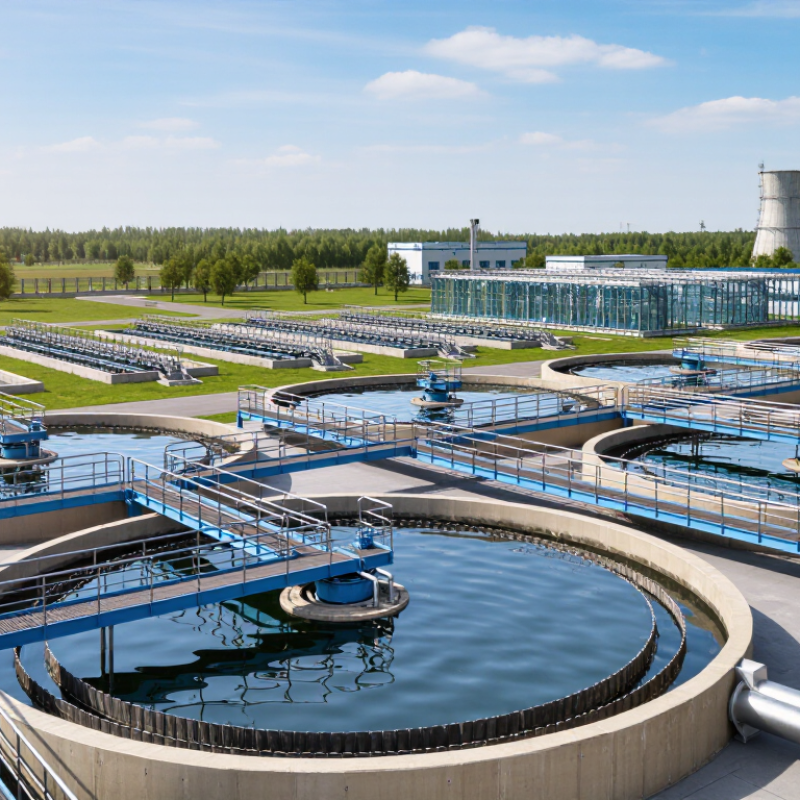
Define Wastewater Sources, Pollutants, and Treatment Objectives
Choosing an industrial wastewater treatment system starts with a precise definition of the water entering your facility. Map every source, including process lines, equipment washing, cooling blowdown, laboratories, and stormwater contact areas. Record flow by shift, production batch, and cleaning cycle. A single daily average can hide sharp pH or pollutant peaks. Use sampling points that represent real discharge conditions, not only convenient locations. Keep chain-of-custody records and calibration logs. Reliable decisions depend on reliable data.
Identify pollutants through process knowledge and laboratory testing. Measure pH, temperature, suspended solids, oil and grease, chemical oxygen demand, metals, nutrients, and conductivity when relevant. Some contaminants may be toxic, persistent, or difficult to remove. Do not assume clear water is clean. Compare results across normal, startup, maintenance, and upset conditions. A short production change can alter treatment demand overnight. Field observations help, but they can mislead. Confirm them with representative samples and qualified analysis.
Define the treatment objective before selecting equipment. You may need water reuse, sewer acceptance, discharge compliance, sludge reduction, or downstream biological protection. Set measurable targets for flow, pollutant limits, recovery rate, residuals, and operating stability. Then consider footprint, operator skill, chemical use, energy, maintenance access, and future production changes. A system meeting today’s numbers may fail during expansion. No sampling plan is perfect. Review uncertain data, especially cleaning peaks and seasonal flows, before approving the final design.
| Wastewater Source | Typical Pollutants and Characteristics | Indicative Raw Wastewater Range | Primary Treatment Objectives | Common Treatment Units | Key Selection Considerations |
|---|---|---|---|---|---|
| Food and Beverage Processing | Biodegradable organic matter, suspended solids, fats, oils, grease, nutrients, cleaning chemicals, variable pH | BOD5: 500–8,000 mg/L COD: 1,000–15,000 mg/L pH: 4–11 |
Reduce organic load, remove solids and grease, stabilize pH, and meet discharge or reuse limits | Screening, equalization, pH adjustment, dissolved air flotation, anaerobic treatment, aerobic biological treatment, filtration | High flow and load variation may require equalization; grease removal and temperature control are often critical |
| Textile and Dyeing Operations | Color, suspended solids, surfactants, salts, sulfides, variable pH, refractory organic compounds | COD: 500–5,000 mg/L Color: 100–5,000 color units TDS: 1,000–20,000 mg/L pH: 6–12 |
Remove color and suspended solids, reduce COD, control pH, and limit salinity where required | Equalization, coagulation and flocculation, clarification, biological treatment, activated carbon, ozonation, membrane filtration | Select processes based on dye chemistry, biodegradability, color target, salt concentration, and water-reuse requirements |
| Metal Finishing and Electroplating | Hexavalent chromium, nickel, copper, zinc, cyanide, acids, alkalis, chelating agents, suspended metal hydroxides | Heavy metals: 1–1,000 mg/L pH: 2–12 Oil and solids: usually variable |
Convert toxic species, precipitate metals, separate sludge, and meet strict metal discharge limits | Segregation, reduction or oxidation, chemical precipitation, coagulation, clarification, filtration, ion exchange or membranes | Keep incompatible streams separate; test for complexed metals because chelating agents can inhibit precipitation |
| Petroleum, Oil, and Machinery Workshops | Free and emulsified oil, grease, hydrocarbons, detergents, suspended solids, metals, variable pH | Oil and grease: 50–5,000 mg/L COD: 200–5,000 mg/L TSS: 100–2,000 mg/L |
Remove free oil, break emulsions, reduce hydrocarbons and solids, and protect downstream biological units | Oil-water separator, equalization, chemical emulsion breaking, dissolved air flotation, biological treatment, activated carbon | Identify whether oil is free, dispersed, or emulsified; prevent solvents and toxic chemicals from entering biological treatment |
| Pulp and Paper Manufacturing | Fibers, suspended solids, biodegradable and refractory COD, color, lignin compounds, nutrients, variable pH | BOD5: 200–2,000 mg/L COD: 500–5,000 mg/L TSS: 200–3,000 mg/L pH: 5–10 |
Recover or remove fibers, lower organic load and color, control solids, and meet receiving-water requirements | Screening, primary clarification, dissolved air flotation, activated sludge, aerated lagoon, tertiary filtration | Fiber recovery can reduce treatment load; assess color and refractory COD separately from biodegradable BOD |
| Pharmaceutical and Fine Chemical Production | High-strength or refractory organics, active compounds, solvents, salts, toxicity, variable pH, suspended solids | COD: 1,000–50,000 mg/L TDS: 1,000–50,000 mg/L pH: 2–12 |
Detoxify wastewater, remove persistent organics, control salinity, and protect biological processes | Source segregation, equalization, pH control, advanced oxidation, activated carbon, biological treatment, membranes, evaporation where necessary | Conduct biodegradability and toxicity testing; segregate concentrated batches and solvent-rich streams before treatment |
| Municipal Sewage from Industrial Facilities | Biodegradable organics, suspended solids, ammonia, total nitrogen, phosphorus, pathogens, fats and grease | BOD5: 150–400 mg/L COD: 300–800 mg/L TSS: 150–400 mg/L TN: 20–85 mg/L |
Remove solids and organic matter, nitrify or denitrify nitrogen, remove phosphorus, and disinfect treated water | Bar screening, grit removal, primary clarification, activated sludge or attached-growth treatment, nutrient removal, disinfection | Confirm that industrial chemicals will not inhibit biological treatment; design for peak flow and seasonal loading |
| Mining and Mineral Processing | Suspended solids, acidity or alkalinity, iron, manganese, sulfate, arsenic, other dissolved metals, process reagents | TSS: 500–50,000 mg/L Metals: 1–1,000 mg/L pH: 2–11 |
Neutralize acidity, remove solids and dissolved metals, reduce toxicity, and protect surface or groundwater | Equalization, lime or caustic neutralization, metal precipitation, clarification, filtration, adsorption, constructed wetlands where appropriate | Plan for seasonal rainfall and high solids; characterize sulfate, acidity, alkalinity, metals, and mine-specific contaminants |
| Cooling Tower and Boiler Blowdown | High dissolved solids, hardness, silica, phosphates, corrosion inhibitors, biocides, elevated temperature | TDS: 1,000–20,000 mg/L Conductivity: approximately 1.5–30 mS/cm pH: 6–11 |
Reduce dissolved solids and specific chemicals, recover water, and prevent scaling or corrosion | Equalization, pH adjustment, multimedia filtration, softening, reverse osmosis, ion exchange, evaporative concentration | Evaluate recovery ratio, concentrate disposal, antiscalant compatibility, silica, hardness, and temperature |
Related Posts
-
7 Tips for Choosing Industrial Wastewater Treatment Systems
-
2026 Top Industrial Waste Water Treatment Technologies
-
What Is a Waste Water Treatment Plant and How Does It Work?
-
Top Industrial Waste Water Treatment Systems Worldwide?
-
How to Choose a Waste Water Treatment Plant in 2026
-

Exploring Innovations in Sewer Treatment Plants at China Import and Export Fair 2025