Essential Tips for Optimizing STP Plant Process Efficiency?
In the world of wastewater treatment, optimizing the STP plant process is crucial for efficiency and sustainability. James Anderson, an industry expert with over 20 years of experience, states, “Efficiency in STP operations can drastically reduce costs and enhance performance.” His insights guide many professionals seeking to improve their processes.
The STP plant process involves complex operations, including biological treatment and nutrient removal. Each step requires meticulous attention to detail. For instance, effective aeration can reduce energy consumption significantly. However, many plants struggle with maintaining optimal conditions. Identifying bottlenecks and implementing real-time monitoring can address these issues.
Moreover, operators must remain vigilant. Routine training and adaptation to new technologies are vital. Even the most experienced staff can overlook simple factors. Focusing on continuous improvement within the STP plant process can lead to remarkable advancements. By embracing both innovations and practical experiences, plants can achieve their efficiency goals.
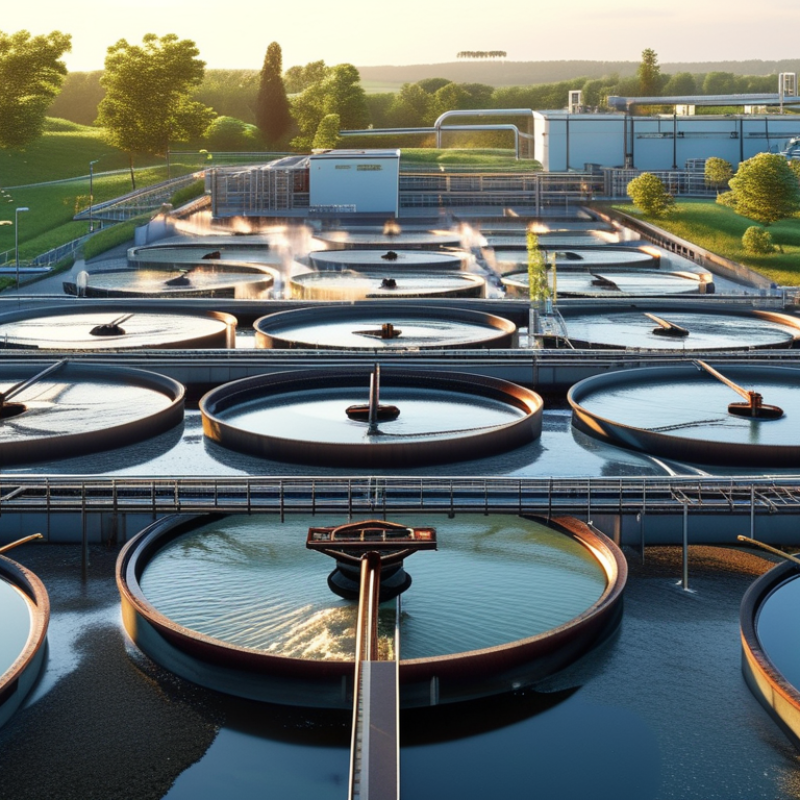
Understanding the STP Plant Process: Key Components and Functions
Understanding the STP Plant Process: Key Components and Functions
The Sewage Treatment Plant (STP) process plays a critical role in keeping our water sources clean. Its key components include preliminary treatment, primary treatment, secondary treatment, and tertiary treatment. Each of these stages helps remove contaminants effectively. For instance, preliminary treatment involves physical processes like screening to eliminate large solids. This foundational step is crucial; its efficiency directly impacts subsequent treatments.
Optimizing the STP process requires attention to detail. Routine maintenance of equipment ensures that pumps and screens operate smoothly. Operators should monitor flow rates consistently. Small fluctuations can indicate larger issues. Investing in staff training is vital for improving operational efficiency. Knowledgeable personnel can identify problems early and troubleshoot effectively.
Another area to consider is energy utilization. Efficient energy management not only reduces costs but also enhances overall performance. Monitoring energy consumption across various stages can reveal inefficiencies. Sometimes, outdated technology leads to excessive energy spend, requiring assessment and possible upgrades. Reflection on operational processes can lead to innovative solutions. Maintaining high standards in STP function is essential for sustainable environmental practice.
Identifying Bottlenecks in STP Plant Operations for Improved Efficiency
Identifying bottlenecks in STP (Sewage Treatment Plant) operations is crucial for enhancing efficiency. A recent industry report highlights that operational inefficiencies can cause a 30% increase in operational costs. Recognizing where these inefficiencies occur can lead to significant savings. Regularly monitoring flow rates and treatment times can help pinpoint delays in processes.
Another study suggests that nearly 25% of STP plants experience bottlenecks due to outdated equipment. This can lead to increased energy consumption and lower treatment effectiveness. Refurbishing or upgrading systems not only optimizes performance but also minimizes waste. Staff training in process management is equally important. Knowledgeable operators can quickly identify and resolve issues before they escalate.
Maintaining a systematic approach to data collection is essential. Data-driven insights support informed decisions. Initially, plant operators may overlook minor delays, but these can cascade into larger issues. Creating a culture of continuous improvement is vital. Utilizing tools like process mapping can further illuminate inefficiencies and offer actionable solutions. Efficient STP operations not only benefit compliance but also protect the environment.
Best Practices for Maintenance and Upkeep of STP Plant Equipment
Maintaining STP plant equipment is crucial for operational efficiency. Regular maintenance can minimize downtime and extend equipment life. A well-planned maintenance schedule helps catch potential issues early. Neglecting maintenance can lead to unexpected failures, which can disrupt processes and increase costs. Checking critical components, such as pumps and valves, regularly can prevent larger problems.
Technology plays a vital role in maintenance practices. Using condition monitoring tools can provide real-time insights into equipment performance. These tools help identify anomalies that could indicate wear and tear. However, relying solely on technology can be risky. Human oversight is essential to interpret data correctly and make informed decisions.
Training personnel is another important aspect. Staff must understand how to operate equipment efficiently. Regular training sessions can enhance their skills and increase awareness of best practices. However, some operators may resist training, viewing it as unnecessary. Encouraging a culture of continuous improvement can address this reluctance and promote proactive maintenance.
Essential Tips for Optimizing STP Plant Process Efficiency
Implementing Automation and Technology in STP Plant Processes
Implementing automation and technology in STP (Sewage Treatment Plant) processes is crucial for enhancing efficiency. A report by the International Water Association highlights that plants utilizing automation can achieve up to 20% reduction in operational costs. This is often due to reduced labor hours and decreased human error. Advanced sensors and IoT devices monitor various parameters continuously, providing real-time data that can be analyzed for optimal performance.
Data analytics plays a vital role in managing STP processes. Predictive maintenance powered by AI algorithms can foresee potential failures, allowing for timely interventions. A study by the Water Environment Federation notes that predictive systems can reduce downtime by approximately 30%. However, the initial integration of such technologies poses challenges. Staff must acquire new skills, and outdated infrastructure may hinder the effective implementation of modern solutions.
Incorporating automated systems is a significant step forward. Nonetheless, a careful assessment of existing processes is essential. Many plants still struggle with data silos, limiting interoperability between different systems. To achieve true efficiency, organizations must focus on seamless integration, fostering a culture that embraces technology and innovation. While the shift to automation presents hurdles, the potential benefits are substantial and worthy of consideration.
Essential Tips for Optimizing STP Plant Process Efficiency
| Parameter |
Current Value |
Target Value |
Improvement Suggestions |
| Energy Consumption (kWh/1000m³) |
120 |
90 |
Implement energy-efficient pumps |
| Chemical Usage (kg/1000m³) |
50 |
30 |
Use automated dosing systems |
| Operational Downtime (%) |
15 |
5 |
Integrate predictive maintenance solutions |
| Sludge Volume (m³) |
200 |
150 |
Enhance dewatering technology |
| Water Reuse Rate (%) |
40 |
70 |
Invest in advanced filtration systems |
Training and Development: Enhancing Workforce Skills for STP Efficiency
Workforce training is crucial for optimizing the efficiency of sewage treatment plants (STP). Enhancing skills through structured training sessions can significantly improve operational performance. Employees need to understand the latest technologies and processes. Regular workshops or on-the-job training can help bridge existing knowledge gaps. This approach fosters a culture of continuous learning and adaptation.
Experience plays a significant role in STP operations. Employees who have undergone targeted training tend to make better decisions, improving overall plant efficiency. Understanding system intricacies can lead to quicker problem resolution. A skilled workforce can minimize downtime and product losses. It's essential to invest in both technical knowledge and soft skills.
An ongoing assessment of training programs is necessary. Feedback from employees can highlight areas for improvement. Not every training initiative yields perfect results. Sometimes, the materials may not resonate with the team. A reflective approach to training can pave the way for better methods that align with current industry demands. Regularly revisiting training strategies ensures that the workforce remains capable and engaged.