What is Water Treatment Equipment and How Does It Work?
Water treatment equipment plays a crucial role in ensuring the safety and quality of our water supply. Experts in this field, such as Dr. Emily Carter, a leading authority on water purification, emphasize the importance of effective technologies. She states, "Investing in advanced water treatment equipment is essential for a sustainable future."
Water treatment equipment encompasses various systems designed to remove contaminants from water. These systems utilize different methods including filtration, disinfection, and chemical treatment. Each method has its own benefits and limitations. For instance, filtration can remove physical impurities, but may not eliminate all pathogens.
The growing need for clean water highlights the necessity for continued innovation in water treatment equipment. Yet, many systems still struggle with efficiency. As we examine existing technologies, awareness of their potential shortcomings can lead to better solutions. The pursuit of advanced, reliable water treatment methods is vital for public health and environmental preservation.
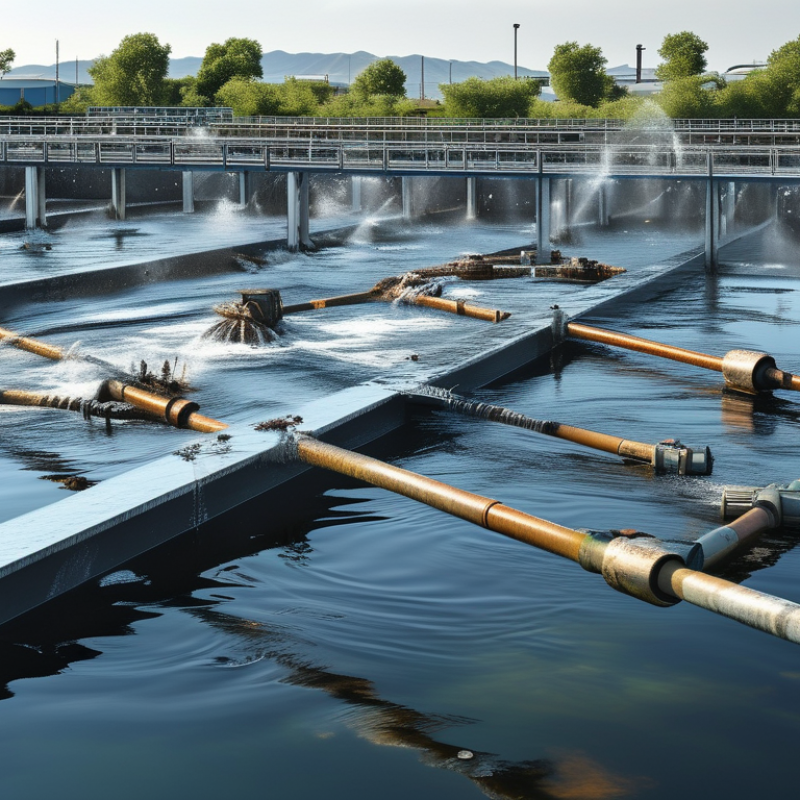
Definition and Purpose of Water Treatment Equipment
Water treatment equipment plays a vital role in ensuring safe drinking water. Its main purpose is to remove impurities from water to make it suitable for consumption and use. These impurities can include sediments, chemicals, and biological contaminants. By employing various processes, such as filtration, sedimentation, and disinfection, water treatment equipment effectively reduces pollutants.
The design of this equipment varies based on specific needs. Some systems use chemical treatments to neutralize harmful substances. Others rely on physical processes to filter out particles. Many municipal systems combine multiple methods to achieve optimal results. Still, it's important to recognize that not all equipment may function perfectly in every situation. Undetected leaks or malfunctions can lead to inadequate treatment.
Regular maintenance and monitoring are crucial for efficiency and reliability. Outdated technology might not meet current standards, requiring upgrades or replacements. This serves as a reminder that even established systems need to adapt. People often overlook the importance of regular checks, leading to potential health risks. Investing in water treatment solutions is a step towards ensuring safety and accessibility.
Types of Water Treatment Processes
Water treatment processes are essential for ensuring clean and safe water. These processes can be classified into several types, each serving specific purposes. One common method is filtration, which removes particles from water through physical barriers. According to a report by the World Health Organization, about 2 billion people still lack reliable access to safe drinking water, highlighting the importance of effective filtration systems.
Another key process is disinfection. This method uses chemicals, heat, or UV light to kill harmful microorganisms. Disinfection is crucial in preventing waterborne diseases. A study by the Centers for Disease Control and Prevention found that disinfection can reduce the risk of drinking water-related illnesses by 85%. However, using chemicals requires careful handling to avoid negative environmental impacts.
Lastly, reverse osmosis is gaining traction due to its efficiency in removing dissolved solids. This process forces water through a semipermeable membrane, retaining impurities. It is often seen as a reliable solution for industrial applications. Despite its advantages, the energy consumption of reverse osmosis needs further evaluation. Each water treatment process has its strengths and weaknesses, emphasizing the need for ongoing research and development in this vital sector.
How Water Treatment Equipment Functions
Water treatment equipment plays a crucial role in ensuring safe and clean water for various applications. This equipment functions through several processes, including filtration, disinfection, and chemical treatment. Filtration systems remove physical impurities and sediments from water, utilizing materials like sand, gravel, and membranes. According to the Water Quality Association, approximately 80% of water contaminants can be eliminated through effective filtration methods.
Disinfection methods, such as chlorination, UV treatment, and ozonation, are essential in killing harmful microorganisms. A report from the World Health Organization indicates that UV disinfection can reduce around 99.9% of bacteria and viruses in water. These methods not only protect public health but also enhance water quality.
Chemical treatment involves adding specific agents to water to neutralize contaminants. For instance, coagulants like aluminum sulfate help in the aggregation of tiny particles, making them easier to remove. However, the effectiveness of these methods can vary based on the water source and the types of pollutants present. Continuous advancements in technology are needed to address the challenges posed by emerging contaminants. Water treatment remains an area that demands ongoing research and innovation to meet evolving standards and public expectations.
What is Water Treatment Equipment and How Does It Work?
| Equipment Type |
Function |
Common Applications |
Operating Principle |
| Activated Carbon Filter |
Removes impurities and contaminants |
Drinking water, aquariums |
Adsorption of chemicals onto carbon surface |
| Reverse Osmosis System |
Desalination and purification |
Household, industrial water purification |
Use of semi-permeable membrane to filter contaminants |
| Ultraviolet (UV) Disinfection System |
Disinfects water by killing bacteria and viruses |
Municipal water treatment, swimming pools |
Exposes water to UV light |
| Sedimentation Tank |
Removes sediment and suspended solids |
Wastewater treatment |
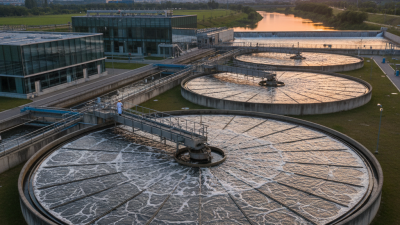
Allows solids to settle by gravity |
| Chlorination System |
Effective disinfection and odor removal |
Public water supply, industrial water systems |
Injects chlorine to kill pathogens |
Key Components of Water Treatment Systems
Water treatment systems are essential for providing clean and safe drinking water. These systems consist of several key components that work together to purify water. One of the most crucial parts is the filtration unit. Filters remove particulate matter, sediments, and some impurities from the water. Different filter types serve different purposes, like carbon filters for chemical absorption.
Another essential component is the disinfection unit. This process eliminates harmful microorganisms. Common methods include UV light and chemical treatments. While effective, these methods may create by-products that need careful management. Understanding the disinfection process requires expertise in water safety.
Lastly, storage tanks play a vital role in water treatment systems. They ensure that treated water remains available for use. However, poorly maintained tanks can introduce microbes back into the water. Regular maintenance and monitoring of all components are necessary to uphold water quality and safety. Recognizing potential flaws in the system can lead to improvements and better practices.
Advantages of Using Water Treatment Equipment
Water treatment equipment plays a crucial role in ensuring access to clean and safe water. One primary advantage is the reduction of contaminants. This equipment efficiently removes impurities, such as heavy metals and pathogens, through various processes. For instance, filtration systems can eliminate particulate matter, while chemical treatments can neutralize harmful substances. The result is water that meets health standards and is suitable for consumption.
Another benefit is improved taste and odor. Many people struggle with unpleasant smells and flavors in their tap water. Water treatment equipment helps to address these issues. By removing chlorine and organic compounds, treatment systems enhance the overall quality of the water. Consuming cleaner, better-tasting water can promote hydration and wellbeing.
However, relying solely on water treatment equipment can be misleading. Not all systems are equally effective for every source of water. It’s crucial for users to understand their specific needs. Regular maintenance and monitoring of water quality remain important for the best outcomes. Users should seek professional advice to tailor solutions that fit their conditions. This approach ensures they truly harness the benefits of water treatment equipment.
Advantages of Water Treatment Equipment