What Is a Water Treatment Plant for Home?

A water treatment plant for home is a residential system that improves water quality before use. It may filter sediment, reduce unpleasant odors, soften hard water, or remove specific contaminants. Unlike a municipal facility, it usually serves one property and works with a private well or incoming public supply.

The right system depends on verified water test results. A certified water professional can identify iron, hardness, bacteria, lead, nitrates, or other concerns. Each issue requires a different treatment method. For example, a sediment filter may catch sand, while activated carbon can improve taste and chlorine odor. Reverse osmosis may support drinking-water treatment, but it can waste water and needs regular maintenance.

Small details matter. A clogged filter can reduce pressure at the kitchen tap. An unmaintained storage tank may create new hygiene concerns. I have also seen homeowners choose equipment by marketing claims instead of laboratory results. That approach can become expensive.

Water treatment is not a one-time purchase. Filters, membranes, valves, and disinfection components require scheduled inspection. Homeowners should check manufacturer instructions and local water-quality guidance. Independent certification can provide added confidence, though it does not replace professional installation. Some systems need drainage, electricity, or enough space for service access.

The best solution is practical, tested, and sized for the household. Start with the water, not the product. That sounds obvious. It is often forgotten.
What Is a Water Treatment Plant for Home?

Definition and Purpose of a Home Water Treatment Plant

What Is a Water Treatment Plant for Home?

Definition and Purpose of a Home Water Treatment Plant

A home water treatment plant is a set of devices that improves water quality inside a house. It may treat water entering the property or only one faucet. Water quality varies. The system can reduce sediment, unpleasant odors, hardness, microorganisms, or selected chemical contaminants. Its purpose depends on actual water test results, not assumptions about cloudy water.

A complete setup may include a sediment filter, carbon filtration, softening equipment, ultraviolet treatment, or membrane filtration. Each component has a specific role. For example, sediment filtration can catch fine grit before it reaches taps and appliances. A softener can reduce mineral buildup on shower glass and heating elements. Professional testing remains essential because clear water may still contain invisible contaminants.

Start with testing.

A certified laboratory or local public health authority can identify relevant risks. Treatment equipment should match those findings and applicable safety standards. Oversizing a system wastes space and increases maintenance costs. Undersizing it may reduce water pressure or leave contaminants untreated. In practical use, a filter housing can appear clean while its internal media is exhausted. That detail is easy to miss.

Regular replacement schedules, pressure checks, and sanitation help maintain performance. Homeowners should keep service records and watch for changes in taste, odor, or flow. No system is perfect. Even careful planning may overlook seasonal changes in a private water source. Re-testing after installation can reveal whether the treatment process is actually working.

Main Components and Treatment Stages

What Is a Water Treatment Plant for Home?

Main Components and Treatment Stages

A home water treatment plant is a compact system that improves water quality at the point of entry or use. The design should begin with a laboratory water test, not a sales promise. The WHO Guidelines for Drinking-water Quality identify microbial safety as the highest priority, while chemical risks require location-specific testing. A practical system may include an inlet valve, storage tank, sediment filter, activated carbon filter, membrane unit, and final disinfection device.

Treatment occurs in stages. Sediment filtration removes sand, rust, and visible particles. Activated carbon reduces chlorine, odors, and some organic compounds. Water softeners can reduce hardness, but they do not disinfect water. Reverse osmosis may reduce dissolved salts and selected contaminants, although it produces wastewater and needs stable pressure. Ultraviolet treatment can inactivate microorganisms, but only when the water is clear and the lamp is maintained. Chlorination offers residual protection in storage tanks.

The WHO and UNICEF Joint Monitoring Programme reported that 2.2 billion people lacked safely managed drinking water in 2022. That figure shows why treatment must be reliable, not decorative. The U.S. EPA’s 2024 drinking-water regulation also highlights the need for contaminant-specific control and monitoring. Maintenance remains the weak point. Filters clog. Lamps lose strength. Tanks can collect sediment. No system is perfect. Retesting after installation is easy to overlook, yet it may reveal that the original design needs revision.

Types of Home Water Treatment Systems

What Is a Water Treatment Plant for Home?

Types of Home Water Treatment Systems

A home water treatment plant is usually a compact system installed at the entry point or under one sink. Its purpose depends on the water problem, not on appearance. The WHO and UNICEF Joint Monitoring Programme reported that 2.2 billion people lacked safely managed drinking water in 2022. Even treated municipal water may need extra attention inside older homes.

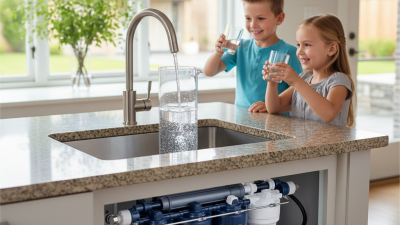
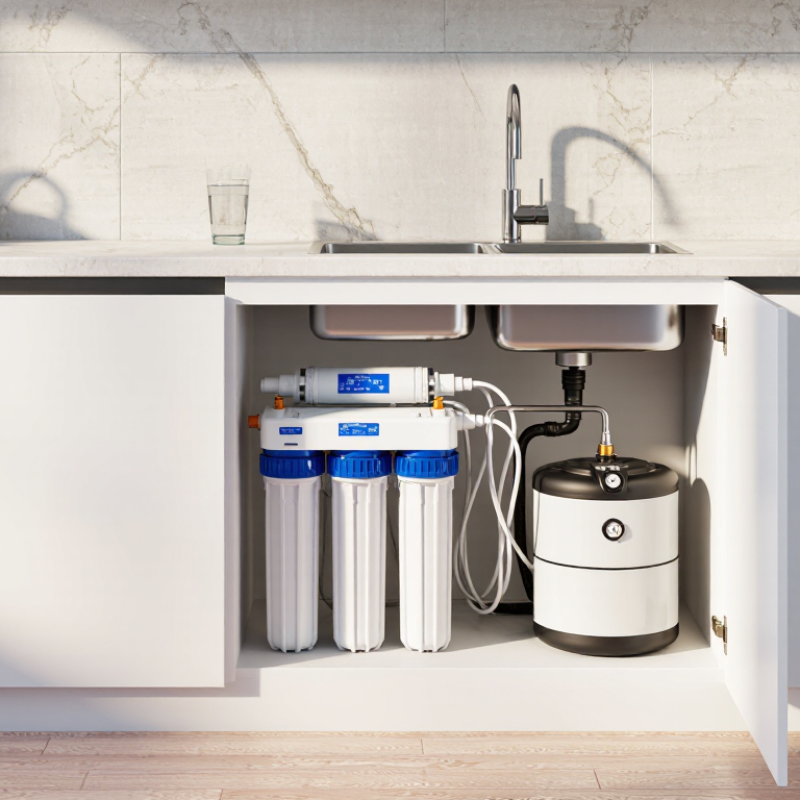
Point-of-use systems treat water where people drink or cook. Activated carbon filters can reduce chlorine, odors, and some organic chemicals. Reverse osmosis removes many dissolved contaminants, but it also produces wastewater. Ultraviolet units can inactivate microorganisms when the water is already clear. The U.S. EPA notes that treatment claims should match verified performance standards, such as NSF/ANSI certifications. One filter cannot remove everything.

Whole-house systems work at the main inlet. Sediment filters catch visible grit, while water softeners reduce hardness caused by calcium and magnesium. These devices protect plumbing, showers, and appliances. However, softeners do not disinfect water. Boiling can kill many germs, but the CDC states that it does not remove heavy metals, salts, or most chemicals. I would not trust a glossy claim without testing the source water first. A laboratory report may reveal a smaller problem—or a serious one. Some maintenance schedules also look simple on paper, yet neglected cartridges can become a hidden weakness.

What Is a Water Treatment Plant for Home? - Types of Home Water Treatment Systems
Home Water Treatment System Main Treatment Purpose Commonly Addresses Limitations Typical Installation Point Power Required Water Waste Routine Maintenance
Sediment Filtration Removes suspended particles before water enters the home or another treatment unit. Sand, silt, rust particles, dirt, and visible sediment. Does not reliably remove dissolved chemicals, salts, microorganisms, or hardness. Point-of-entry or installed before a well pump, softener, or other filter. Usually no; powered models may use electricity. Normally none, except during filter backwashing or flushing. Replace or clean the filter when pressure drops or the filter becomes loaded.
Activated Carbon Filtration Improves taste and odor by adsorbing selected organic compounds. Chlorine, unpleasant tastes and odors, and some organic chemicals, depending on the carbon type and contact time. Does not soften water and may not remove salts, nitrate, fluoride, or all microorganisms. Performance depends on the contaminant and filter design. Point-of-use faucet filter, under-sink unit, or whole-house system. Usually no. Usually none. Replace cartridges or media on schedule and sanitize housings when required.
Water Softener Reduces hardness that causes scale and interferes with soap performance. Calcium and magnesium ions. Does not disinfect water or remove most dissolved contaminants. Adds a small amount of sodium or potassium, depending on the regeneration method. Point-of-entry, usually near the main water supply. Yes, for automatic controls and regeneration cycles. Yes; regeneration produces a brine wastewater stream. Add salt or regenerant, check settings, clean the brine tank, and service the resin as needed.
Iron and Manganese Filter Reduces metallic staining, discoloration, and related taste problems. Iron and manganese, when the system is correctly selected for their chemical form and concentration. May require pre-treatment for low pH, hydrogen sulfide, or high sediment. It is not a general-purpose disinfectant. Point-of-entry, commonly after a sediment pre-filter. Often yes for automatic backwashing or oxidation equipment. Often yes during backwashing. Backwash or replace media according to water quality and manufacturer instructions.
Ultrafiltration Physically separates fine particles and many microorganisms through a membrane. Suspended solids, bacteria, and some parasites, depending on membrane pore size and system integrity. Generally does not remove dissolved salts, many dissolved chemicals, or hardness. Point-of-use or point-of-entry. Sometimes; pumps and controls may require electricity. Usually low, although some systems use periodic flushing. Replace pre-filters, flush the membrane, and sanitize the system as specified.
Reverse Osmosis Reduces a broad range of dissolved substances through a semipermeable membrane. Dissolved salts, many metals, nitrate, fluoride, and other contaminants, depending on membrane performance and water chemistry. It does not guarantee disinfection of contaminated plumbing or storage tanks. It also produces concentrated reject water and may reduce beneficial minerals. Most commonly point-of-use, such as under a kitchen sink. Not always; booster pumps may require electricity. Yes; the reject-to-product ratio varies by system design, pressure, temperature, and maintenance. Replace sediment and carbon pre-filters, replace the membrane periodically, and sanitize the storage tank and lines.
Ultraviolet Disinfection Inactivates microorganisms by exposing water to ultraviolet light. Many bacteria, viruses, and protozoa when the water is clear enough and the UV dose is adequate. Does not remove particles, chemicals, salts, or hardness. Turbidity and color can reduce effectiveness. Point-of-entry, generally after sediment and other clarity treatment. Yes; continuous electrical power is required during operation. None. Clean the quartz sleeve, replace the UV lamp or lamp assembly as recommended, and monitor alarms.
Distillation Boils water and condenses the vapor to separate many dissolved substances. Many dissolved minerals, salts, metals, and some microorganisms. Volatile compounds may carry over unless additional treatment is used. The process is slow and energy-intensive. Point-of-use countertop or under-counter equipment. Yes; heating requires electricity or another heat source. Produces a concentrated residue that must be discarded. Clean scale from the boiling chamber and replace any post-treatment carbon filter.
Whole-House Treatment System Treats water at the main entry so multiple fixtures receive treated water. Depends on the selected combination, such as sediment filtration, carbon, softening, iron removal, or UV disinfection. No single whole-house system removes every contaminant. Correct sizing requires water testing and suitable flow capacity. Point-of-entry, near the main water line. Varies by treatment technology; some systems need controls, pumps, or UV lamps. Varies; carbon and cartridge filters usually produce none, while softeners and backwashing filters produce wastewater. Requires scheduled filter changes, media service, salt replenishment, backwashing, or lamp replacement, depending on configuration.
Important: The appropriate home water treatment system should be selected after testing the source water and identifying the specific contaminants. Treatment performance depends on water chemistry, flow rate, maintenance, and correct installation.

Water Sources, Contaminants, and Treatment Methods

Home water treatment begins with knowing where your water comes from. Municipal supplies usually receive centralized disinfection, while private wells depend on local geology and maintenance. Rainwater can collect roof debris, metals, and microbes before storage. Source conditions change after flooding, construction, or seasonal drought. Test before treating. An accredited laboratory can identify bacteria, nitrates, lead, hardness, and other site-specific concerns. Visible clarity is not proof of safety. Some contaminants have no taste, smell, or color.

Treatment should match the test, not a sales promise. Sediment filters trap sand and rust, but they cannot remove dissolved chemicals. Activated carbon can reduce chlorine, odors, and some organic compounds. Reverse osmosis can lower salts, nitrates, and several dissolved contaminants, but it wastes water and needs pressure. Ultraviolet systems can disable many microorganisms, yet they do not remove particles or chemicals. Disinfection works only when water is clear enough and equipment is maintained. A neglected filter may become a contamination source. Installation details matter. Flow rate, contact time, storage tanks, and plumbing materials affect results. No method solves every problem. It is easy to over-treat water and ignore a leaking pipe.

Tips: Keep a dated testing and filter log. Test well water annually, and retest after flooding or repairs. Choose treatment for confirmed contaminants. Replace cartridges on schedule. If water taste changes suddenly, stop guessing and investigate.

Installation, Maintenance, Safety, and Costs

What Is a Water Treatment Plant for Home?

Installation, Maintenance, Safety, and Costs

A home water treatment plant usually means a point-of-entry system that treats water before it reaches your taps. Installation begins with a laboratory water test, not a guess. Test hardness, iron, sediment, bacteria, and chemical contaminants. An installer then checks pipe size, pressure, drainage, and available electrical outlets. The unit needs a dry, accessible area, often near the main water line. Leave space for filter changes. Small spaces cause big maintenance problems.

Maintenance depends on the treatment method. Sediment filters may need replacement every few months, while other media can last longer. Check pressure gauges, leaks, salt levels, and unusual odors during routine inspections. Keep written service dates. That simple record helps reveal declining performance. Some systems require periodic disinfection or professional testing. Home test strips are useful, but they cannot confirm every contaminant. They are not a complete safety check.

Costs vary widely. A basic filter may cost several hundred dollars, while softening, carbon, ultraviolet, or advanced treatment can raise installation costs considerably. Plumbing changes, drainage work, electrical protection, and follow-up testing add expense. Ask for an itemized quote. Avoid systems promising to solve every water problem with one device. Safety matters near electricity and water, so use proper protection and qualified installation where required. I would also budget for replacement media, testing, and unexpected repairs. The first estimate is rarely the whole cost.