How to Choose the Best Screw Pumps in 2026
Industrial pump selection is not a catalog exercise; it is an operating-cost decision. The U.S. Department of Energy’s Improving Pumping System Performance sourcebook estimates that pumping systems use nearly 20% of global electricity demand. That figure covers pumping systems broadly, not screw pumps alone, but it shows why efficiency deserves close attention. In 2026, buyers should compare more than advertised flow and motor power. Fluid viscosity, solids content, temperature, suction conditions, and required pressure all shape real-world performance. A pump that looks ideal on a clean-water curve may behave differently with cold polymer or abrasive sludge. Small details matter.
This guide examines how to match screw pumps to duty, then assess lifecycle cost, materials, maintenance access, and supplier support. Start with the actual process range, not one “normal” operating point. Check manufacturer data against expected start-up, turndown, and upset conditions. Ask for documented test methods, and clarify whether figures describe the pump alone or the complete drive system. Independent testing can strengthen comparisons, but site-specific verification still matters. Even careful calculations may miss changes in feed composition. Not always predictable. The best choice is therefore not necessarily the highest-efficiency model or the lowest quote. It is the unit that reliably handles your fluid, fits the installation, and can be maintained without costly surprises. This guide offers an evidence-based starting point, not a substitute for checking the details of your process.
Understanding Screw Pump Designs and Operating Principles
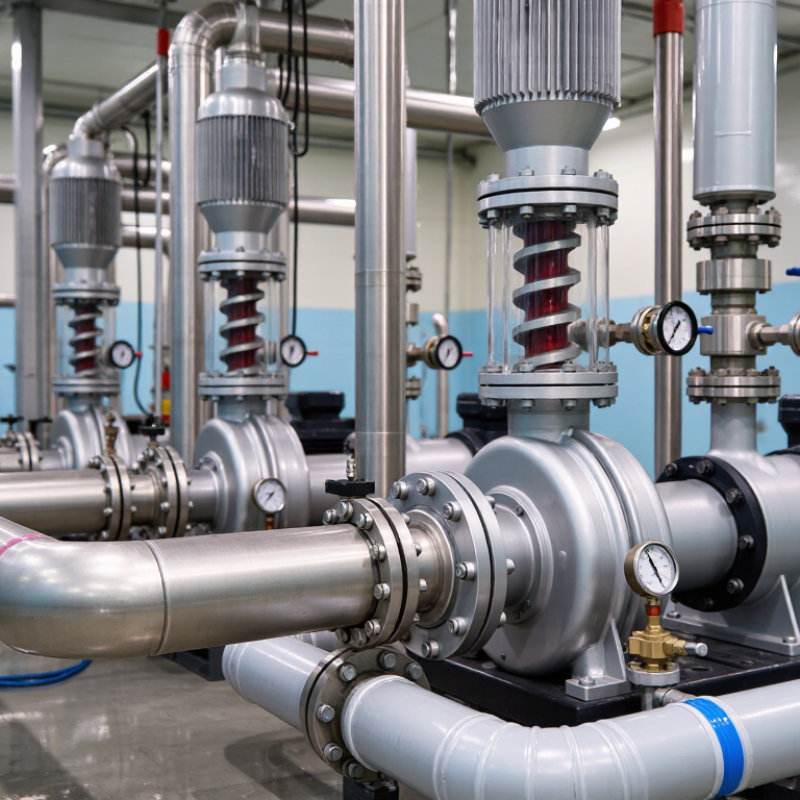
Screw pumps move liquid through sealed cavities formed by rotating helical rotors. In twin-screw designs, two synchronized rotors carry fluid from the suction side toward discharge. Progressive-cavity designs use one helical rotor inside an elastomeric stator; the cavities advance as the rotor turns. Both can deliver relatively steady flow, but their internal geometry and material limits differ. Small details matter.
The U.S. Department of Energy’s Improving Pumping System Performance sourcebook estimates that pumping systems use nearly 20% of global electricity demand. That figure covers pumps broadly, not screw pumps alone, but it underscores why operating conditions deserve attention. Match the design to viscosity, temperature, solids, and required flow. A viscous fluid may suit a screw pump, while abrasive particles can accelerate wear, especially in elastomeric stators. Also check the system curve: discharge pressure depends on downstream resistance, not just pump speed. Positive-displacement pumps need suitable overpressure protection. Dry running can damage some designs quickly. It is easy to overlook startup conditions, and that assumption can be costly. A carefully reviewed fluid specification is more useful than choosing by pump type alone.
How to Choose the Best Screw Pumps in 2026: Designs and Operating Principles
Rotating screw elements by pump design
A progressing-cavity pump uses one rotating helical rotor inside a stator; twin-screw pumps use two rotating screws; and three-screw pumps use one driven screw and two idler screws. Rotor count describes the basic design, not pumping capacity or suitability. Choose a pump based on the fluid, required flow and pressure, temperature, and materials compatibility.
Defining Fluid, Flow Rate, Pressure, and Site Requirements
Choosing a screw pump starts with the fluid, not the catalogue. Record its viscosity at operating temperature, not just at room temperature. Note whether it contains abrasive particles, entrained air, or materials that may swell or harden seals. A cold, thick liquid can demand more starting torque and reduce flow. A warm liquid may behave very differently. Small details matter.
Define the required flow rate across the full operating range. Include peak demand, minimum flow, and any expected changes during a production cycle. Then estimate pressure differential, including pipe friction, elevation, filters, and downstream equipment. A pump may deliver the target flow in a test setup but fall short through a long, narrow line. Check suction conditions too; a restricted inlet can cause noise, vibration, and premature wear. Easy to miss.
Finally, examine the actual installation site. Measure available space, pipe connections, power supply, ambient temperature, and access for maintenance. Consider whether the unit will run continuously or start and stop often. These conditions affect motor sizing, controls, materials, and service intervals. Keep a little margin, but avoid sizing by guesswork. Early estimates are imperfect; revise them when measured data becomes available.
Matching Pump Materials and Configuration to the Application
Choosing screw-pump materials starts with the fluid, not the pump body. Check its viscosity, temperature, abrasiveness, and chemical behavior across the full operating cycle. A stainless-steel casing may suit many corrosive fluids, but the rotor, stator, seals, and fasteners need separate compatibility checks. One weak material choice can determine service life.
Configuration matters just as much. Progressive-cavity designs can handle viscous fluids and soft solids, while twin-screw pumps often suit variable flow and gentle product handling. For abrasive slurries, consider wear-resistant surfaces and slower operating speeds. Small details matter. A seal that tolerates the liquid at room temperature may fail during hot cleaning or startup. Ask for performance data at the actual viscosity and speed, not just a catalog’s best-case figure. The awkward part is that real fluids vary; suspended grit and occasional dry running can change the answer. Compare the proposed materials with a fluid sample and operating history, then check the selection with a qualified pump engineer. When possible, review a test curve before fixing the configuration.
Comparing Efficiency, Maintenance Needs, and Lifecycle Costs
A screw pump should be judged against its actual duty, not a catalogue efficiency figure. Flow rate, pressure, fluid viscosity, temperature, and solids can all change power demand. Compare energy use at the operating point you expect, then check it against measured site data when available. Small differences matter.
Maintenance needs depend on the pump design and the fluid being handled. Abrasive particles may accelerate wear, while dry running can damage some designs quickly. Build inspection time for seals, bearings, and wear components into the service plan. Keep a record of vibration, leakage, and energy use; gradual changes can reveal trouble before a shutdown. It is not always tidy in practice.
Lifecycle cost includes more than the purchase price. Estimate electricity, replacement parts, labor, cleaning, and the cost of lost production during repairs. Ask suppliers for service intervals and parts availability, then test those estimates against your own operating schedule. A spreadsheet can make uncertainty look precise. Leave room for unexpected downtime, especially when the fluid or duty cycle varies. A pump that uses less power may still cost more over time if it needs frequent service or difficult repairs.
Checking Standards, Supplier Support, and 2026 Product Options
When comparing screw pumps in 2026, check the standard against the actual duty, not just the product sheet. API 676 may be relevant for some rotary positive-displacement pump applications, but it is not a universal requirement. Confirm the required edition, test scope, materials, and documentation with your engineering team. A certificate alone does not prove a pump will suit your fluid. Viscosity, temperature, solids, pressure, and suction conditions matter. Small details matter.
Ask suppliers for a duty-point curve, efficiency data, and clear limits on operating conditions. Request written guidance on commissioning, alignment, lubrication, and maintenance intervals. Good support also means accessible spare parts and a realistic response time. Ask who handles a startup problem, and whether that person can review your installation details. A polished datasheet may still leave gaps.
Product options in 2026 may include variable-speed drives, condition sensors, and different rotor or casing materials. Choose these only when they solve a real operating problem. For example, a temperature sensor can help flag abnormal friction, but it cannot replace routine inspection. Compare energy use across your expected operating range, not only at one rated point. I would revisit any choice based mainly on a low purchase price; lifecycle costs can be harder to estimate than they look.
Related Posts
-
What Are the Best Screw Pumps from China?
-
Why Choose Screw Pumps for Industrial Applications?
-
5 Essential Tips for Choosing the Right Screw Pumps for Your Business
-

2025 How to Choose the Best Screw Pumps for Your Industrial Applications
-
What is a Screw Pump and How Does It Work?
-
Best Screw Pumps for Efficient Liquid Transfer Solutions?