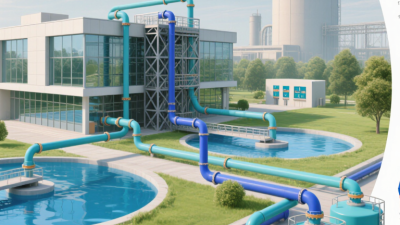
How to Choose a Wastewater Treatment Plant?
Choosing a wastewater treatment plant is not simply a matter of comparing tank sizes or advertised flow rates. It is a long-term decision about public health, operating risk, energy use, and local water protection. The WHO and UNICEF Joint Monitoring Programme reported that 3.5 billion people lacked safely managed sanitation in 2022. This figure shows why treatment performance cannot be treated as a secondary concern.
Start with the wastewater itself. Measure average flow, peak-hour surges, temperature, pH, suspended solids, nitrogen, phosphorus, oils, and toxic compounds. A plant designed for dry-weather flow may struggle when rainwater enters the network. Picture the inlet channel after a storm: grit, wipes, grease, and sudden hydraulic pressure can expose weak screening and pumping systems. The United States Environmental Protection Agency notes that wastewater facilities can represent 30% to 40% of municipal energy use. Therefore, aeration efficiency, pump controls, sludge handling, and heat recovery deserve careful comparison. The right wastewater treatment plant should meet discharge requirements while controlling its lifetime energy and maintenance costs.
Technology selection must also reflect available skills, land, climate, and future expansion. Biological systems can deliver excellent results, but they need stable monitoring and trained operators. Membrane systems offer compact footprints, yet replacement costs and fouling can be underestimated. No checklist is perfect. A vendor’s performance guarantee may not reflect seasonal wastewater changes or staffing realities. The UN World Water Development Report 2017 estimated that more than 80% of global wastewater was discharged without treatment. That warning remains relevant. Choose measurable performance, dependable support, transparent data, and resilience—not merely impressive equipment.
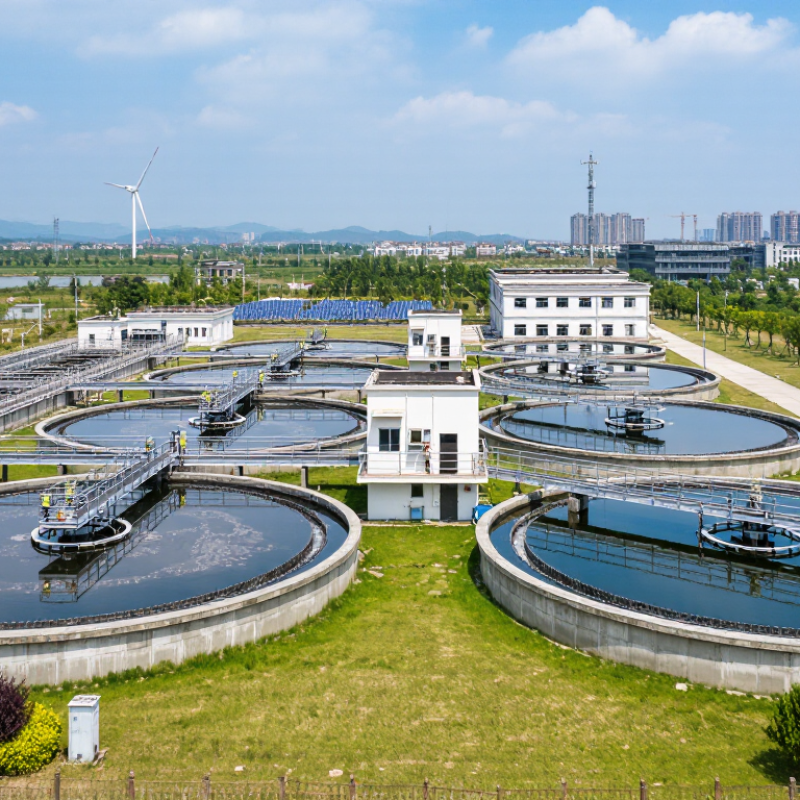
Define Treatment Needs and Regulatory Requirements
How to Choose a Wastewater Treatment Plant?
Defining treatment needs starts with the wastewater itself, not the equipment catalog. Measure daily flow, peak flow, temperature, pH, suspended solids, nutrients, oils, and toxic compounds. A food facility may need strong organic-load removal. A manufacturing site may require metals control and equalization. Collect samples during normal production and cleaning periods. One sample can mislead.
Regulatory requirements must be documented before selecting a treatment process. Confirm discharge limits, sampling frequency, reporting procedures, sludge-handling rules, and reuse standards with the responsible authority. Requirements may differ between sewer discharge, surface-water discharge, and onsite reuse.
Keep laboratory records, calibration logs, and maintenance evidence. Inspectors often review operating history, not only design promises.
Build a treatment basis from measured data and realistic future conditions. Include seasonal flows, production growth, power interruptions, operator skills, and available space. A process that meets today’s limit may fail after expansion. That risk deserves attention. Ask qualified engineers to verify loading calculations and pilot-test uncertain processes. Pilot testing can expose poor settling, excessive foam, or difficult sludge dewatering before construction begins. Even experienced teams make assumptions. Mark them clearly, assign safety margins, and create a monitoring plan that detects changes early.
Analyze Wastewater Characteristics and Flow Variations
How to Choose a Wastewater Treatment Plant?
Analyze Wastewater Characteristics and Flow Variations
Choosing a wastewater treatment plant starts with understanding the water itself. A clear sample may still contain high COD, dissolved metals, or harmful solvents. Do not rely on one test. Collect samples during morning peaks, quiet periods, and production changes. Measure pH, temperature, BOD, COD, TSS, nutrients, oil, salinity, and conductivity. A qualified laboratory should use documented sampling and testing methods.
Flow matters just as much as chemistry. Record average daily flow, hourly peaks, weekend changes, and seasonal shifts. Rainfall can add unexpected infiltration to collection systems. A factory may discharge concentrated wastewater for only two hours each day. That short event can overload biological treatment. Equalization tanks may reduce this shock, but their size must match real flow data. Guessing can become expensive.
Look for patterns.
On-site observation also provides useful evidence. Check color, odor, foam, settling behavior, and temperature changes. These details can reveal problems that a single laboratory report misses. I have seen designs based on average flow fail during short peak discharges. That mistake is easy to repeat. Review at least several weeks of records when possible, and compare laboratory results with operator observations. Treatment goals, discharge limits, sludge handling, available space, and future expansion should guide the final process selection.
How to Choose a Wastewater Treatment Plant?
Analyze wastewater characteristics and daily flow variations before selecting treatment capacity and process technology. This representative municipal wastewater profile shows how hydraulic loading and organic strength can change throughout a typical day.
Interpretation: Peak hydraulic loading commonly occurs during morning and evening activity periods, while BOD concentration may decrease during high-flow periods because of dilution. Plant selection should consider average flow, peak flow, equalization needs, and the expected influent pollutant range.
Compare Treatment Technologies and Process Configurations
How to Choose a Wastewater Treatment Plant?
Compare treatment technologies against discharge limits, land, energy, and operator skills. UN-Water’s 2024 SDG 6 update reports that only 56% of domestic wastewater was safely treated worldwide in 2022. The gap is significant. Activated sludge suits many municipal plants, but it needs continuous aeration and skilled control. The U.S. Environmental Protection Agency notes that aeration can consume roughly 45–60% of plant electricity. MBR systems offer high-quality effluent and a smaller footprint, yet membrane cleaning and replacement increase operational demands. SBR and MBBR configurations can provide flexibility where flows change daily.
Tips: Build a simple comparison table. Include flow range, ammonia limits, sludge production, footprint, power use, and maintenance hours. Ask operators to test representative wastewater before final design. Laboratory results often challenge early assumptions.
Anaerobic treatment may reduce sludge and recover biogas, especially for warm, concentrated wastewater. However, low-strength sewage can limit its value. Constructed wetlands use less mechanical equipment, but they require land and careful hydraulic design. The World Bank’s Wastewater: From Waste to Resource report supports resource recovery through biogas, water reuse, and nutrient recovery. Still, recovery is not automatically economical. I would not choose technology from a brochure alone. Seasonal rainfall, toxic inflows, spare parts, and staff training can change the best configuration. A hybrid process may perform better, although it can be harder to operate. The first design is rarely perfect.
How to Choose a Wastewater Treatment Plant? - Compare Treatment Technologies and Process Configurations
| Treatment Technology / Configuration | Typical Applications | Typical Effluent Quality | Typical Hydraulic Retention Time | Footprint | Energy Demand | Sludge Production | Main Advantages | Key Limitations |
|---|---|---|---|---|---|---|---|---|
| Conventional Activated Sludge | Municipal wastewater and medium-to-large treatment plants | BOD: commonly below 20 mg/L; TSS: commonly below 30 mg/L with effective clarification | 4–8 hours in aeration tanks | Medium to large | Medium to high, mainly for aeration | Medium to high | Well-established design methods; flexible capacity range; effective carbon removal | Requires skilled operation, secondary clarification, and good control of sludge settling |
| Sequencing Batch Reactor (SBR) | Small to medium municipal plants and facilities with variable flows | BOD and TSS often below 10–30 mg/L; nitrogen removal is possible with suitable cycles | 6–24 hours per cycle, depending on loading and operating strategy | Small to medium | Medium to high | Medium | Combines biological treatment and clarification in one basin; suitable for phased operation | Batch operation requires reliable controls, level sensors, and adequate equalization |
| Membrane Bioreactor (MBR) | Water reuse, compact urban sites, commercial and industrial wastewater | BOD: often below 5 mg/L; TSS: typically below 1–5 mg/L; excellent pathogen reduction when properly designed | 3–8 hours in the bioreactor, depending on process objectives | Small | High, due to biological aeration and membrane scouring | Medium to high | High-quality effluent; eliminates the need for a conventional secondary clarifier; compact footprint | Higher capital and operating costs; membrane fouling and replacement must be managed |
| Moving Bed Biofilm Reactor (MBBR) | Municipal upgrades, industrial wastewater, and plants requiring modular expansion | BOD and ammonia removal commonly achieve 80–95% under suitable conditions | 2–8 hours, depending on media filling ratio and loading | Small to medium | Medium to high | Low to medium biological solids increase, but downstream solids separation is still required | Resistant to load fluctuations; can be installed in existing tanks; flexible for capacity upgrades | Requires aeration, media retention screens, and downstream clarification or filtration |
| Trickling Filter | Municipal wastewater with relatively stable flows and moderate organic loads | BOD removal commonly 65–90%; nitrification may be achieved with additional media and retention time | Several hours overall, including primary and secondary clarification | Medium to large | Low to medium | Medium; humus solids require clarification | Simple operation; lower aeration energy; relatively stable biological process | Larger footprint; odor and fly control may be necessary; less flexible for rapid load changes |
| Rotating Biological Contactor (RBC) | Small communities, decentralized systems, and low-to-medium flow applications | BOD removal commonly 80–95%; nitrification is possible with adequate staging | 2–6 hours, depending on loading and staging | Medium | Low to medium | Medium | Low air demand; relatively simple biological operation; suitable for smaller flows | Mechanical components require maintenance; vulnerable to shock loads and freezing without protection |
| Extended Aeration | Small communities, residential developments, schools, and decentralized plants | BOD and TSS often below 20–30 mg/L with proper clarification | 18–36 hours | Medium to large | High per unit of wastewater treated | Lower sludge yield than conventional activated sludge, but sludge remains to be managed | Stable process; tolerates intermittent loading; relatively simple control requirements | Longer aeration tanks and higher energy use; may require additional nutrient removal stages |
| Constructed Wetland | Decentralized treatment, rural communities, and sites with available land | BOD and TSS removal commonly 60–90%, depending on pretreatment, design, and season | Several days | Large | Very low | Low, although accumulated solids and vegetation require periodic management | Low energy consumption; visually compatible with landscaping; simple mechanical equipment | Requires substantial land; performance varies with temperature, hydraulics, and vegetation conditions |
| Anaerobic Treatment | High-strength industrial wastewater and warm-climate applications | COD removal commonly 60–90%; usually requires aerobic polishing for stringent discharge limits | Several hours to several days, depending on reactor type and loading | Small to medium | Low; may generate recoverable biogas | Low compared with aerobic biological treatment | Low aeration demand; reduced sludge production; potential energy recovery from biogas | Sensitive to temperature, toxic compounds, and sudden load changes; typically needs post-treatment |
Note: Performance values are typical planning ranges rather than guaranteed results. Actual outcomes depend on influent characteristics, temperature, hydraulic and organic loading, pretreatment, operating conditions, discharge regulations, and the selected design configuration.
Evaluate Site Conditions, Capacity, Costs, and Operations
Choosing a Wastewater Treatment Plant: Evaluate Site Conditions, Capacity, Costs, and Operations
A sound selection begins with the site, not a product brochure. Check soil stability, flood exposure, groundwater levels, road access, and electrical reliability. A low-lying site may require raised equipment and additional pumping. That detail can reshape capital costs. The U.S. Environmental Protection Agency’s 2022 Clean Watersheds Needs Survey estimated $630.1 billion in future wastewater infrastructure needs. Planning errors are expensive.
Capacity must reflect today’s flow and tomorrow’s uncertainty. Measure average flow, peak flow, seasonal changes, and pollutant strength. Industrial discharge can change biological loading quickly. Use at least several months of reliable sampling when possible. Oversizing wastes energy, while undersizing risks permit failures and emergency bypasses. A neat spreadsheet can still lie. Rainfall, population shifts, and water-saving fixtures may distort projections.
Operating costs deserve equal attention. Review energy demand, sludge production, chemical use, laboratory testing, staffing, and spare-parts access. The U.S. EPA notes that wastewater facilities can represent 30% to 40% of municipal energy use, making aeration efficiency especially important. Ask operators to test alarms, clean screens, and inspect pumps under realistic conditions. The World Health Organization’s Guidelines for Sanitation and Health also emphasize competent operation and maintenance, not construction alone. Remote monitoring helps, but it cannot replace trained judgment. Leave room for human error and maintenance delays.
Assess Supplier Expertise, Reliability, and Long-Term Support
Choosing a wastewater treatment plant begins with assessing the supplier, not just comparing equipment prices. Experienced suppliers study flow rates, pollutant levels, seasonal changes, and available space before recommending a process. Ask for documented projects with similar wastewater conditions. Photos are useful, but operating data is stronger evidence.
A reliable supplier provides clear design calculations, realistic performance targets, and qualified technical staff. Request commissioning records, maintenance schedules, spare-parts plans, and emergency response times. Visit an operating installation if possible. Listen for practical details, such as how operators handle blocked screens or sudden flow increases. These details reveal real experience.
Long-term support should be discussed before signing a contract. Confirm operator training, control-system updates, inspection services, and access to replacement components. Review warranty limits carefully, because low-cost proposals may exclude important maintenance work. The cheapest option can become expensive after two years. Even a respected supplier may make poor assumptions if site data is incomplete. Share laboratory results, peak-flow records, and discharge requirements openly. A good supplier will challenge unclear information instead of promising instant results. Look for steady communication, traceable documents, and support that continues after installation.
Related Posts
-
How to Choose a Wastewater Treatment Plant in 2026?
-
How to Choose a Waste Water Treatment Plant in 2026
-
How Does Wastewater Treatment Plant Process Work in China?
-
7 Tips to Understand the Wastewater Treatment Plant Process
-
How to Choose a Sewer Treatment Plant Supplier?
-
What Is a Waste Water Treatment Plant and How Does It Work?