Why Is the Sewage Treatment Plant Process Important?

A sewage treatment plant is more than a row of tanks and pipes. It is a barrier between household waste and the rivers, lakes, and coastal waters people depend on. The sewage treatment plant process removes solids, reduces organic pollution, and manages harmful microorganisms before treated water is released or reused. The work is easy to overlook. Its effects are not.

Wastewater-treatment pioneer Dr. James Barnard has emphasized a central principle: treatment must protect public health and the receiving environment. That idea becomes practical at the plant itself. Screens catch rags and plastics. Grit settles in channels. In aeration tanks, bubbles help microorganisms break down organic matter. Operators watch flow readings, sample water, and adjust equipment when conditions change. Small details matter.

The process is not flawless. Stormwater can strain capacity, and equipment needs steady maintenance. A clear-looking discharge does not prove every treatment goal has been met. That is why reliable testing and skilled operators matter as much as plant design. Looking closely at each treatment stage helps explain how communities reduce pollution, safeguard water resources, and plan for reuse. It also reveals a less comfortable truth: strong infrastructure needs ongoing care, not just a one-time investment.
Why Is the Sewage Treatment Plant Process Important?

What a Sewage Treatment Plant Does

Why Is the Sewage Treatment Plant Process Important?

What a Sewage Treatment Plant Does

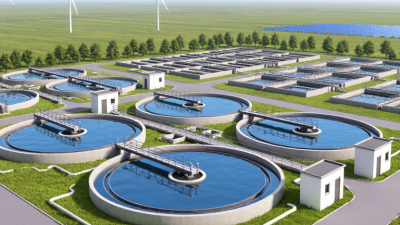
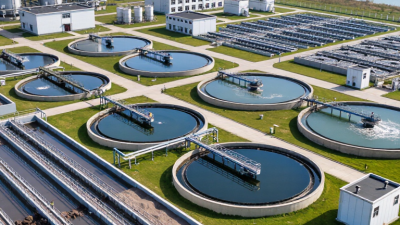
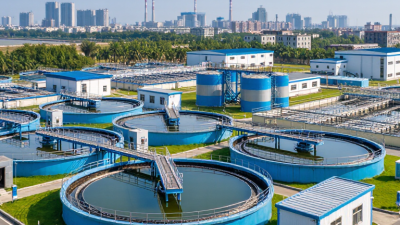
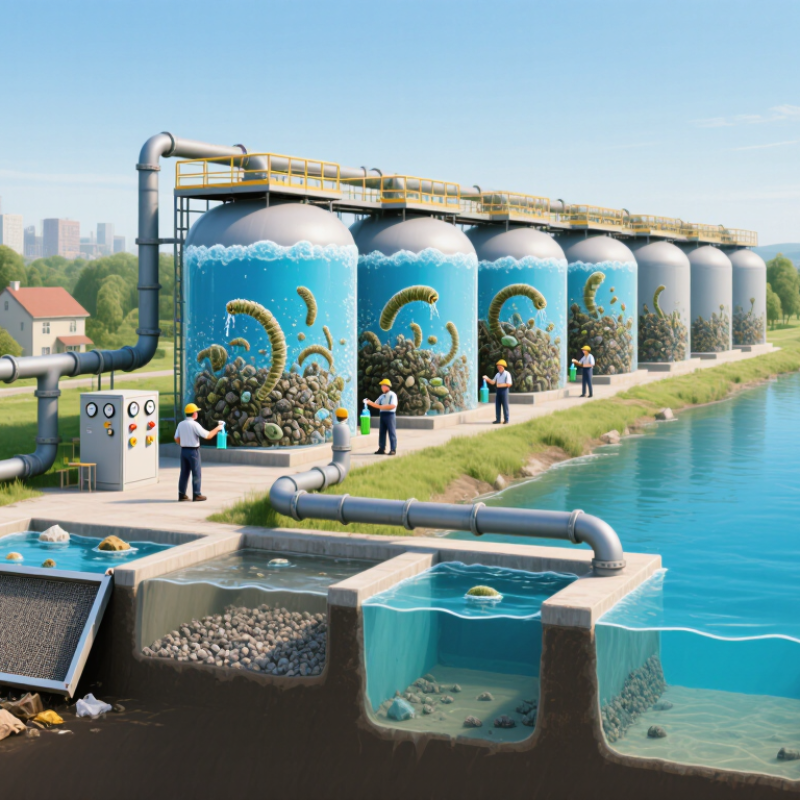
A sewage treatment plant cleans used water from homes, businesses, and some industries before it returns to rivers or other environments. At the inlet, screens remove rags, wipes, and plastics. Grit chambers let sand and small stones settle. In primary tanks, heavier solids sink while oils and grease rise for removal. Small details matter.

In secondary treatment, microorganisms break down dissolved organic waste in aerated tanks. Operators monitor oxygen, flow, and sludge levels; a poor balance can reduce treatment performance. The U.S. Environmental Protection Agency’s Primer for Municipal Wastewater Treatment Systems describes these physical and biological stages, followed by disinfection where needed. This is practical work, not magic.

UN-Water’s 2024 SDG 6.3.1 Progress Report estimated that 42% of household wastewater worldwide was not safely treated in 2022. That gap matters: untreated waste can carry pathogens and nutrients into waterways. After treatment, plants may disinfect the water and manage captured sludge separately. The final water quality depends on the incoming waste, plant design, and daily operation. Even well-run systems need monitoring, maintenance, and honest checks when results fall short.

How Wastewater Moves Through Treatment Stages

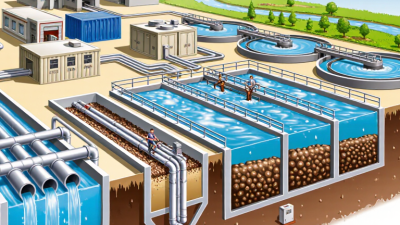
Wastewater enters a treatment plant through underground sewers, carrying grit, food scraps, and other debris. At the headworks, screens catch larger objects, while grit chambers allow sand to settle. Primary tanks then slow the flow, letting suspended solids sink and oils rise. These physical steps protect pumps and reduce the load on later processes.

In secondary treatment, air and beneficial microbes help break down dissolved organic matter. The water then passes through clarifiers, where microbial solids settle out. Many plants disinfect the treated water before releasing it or sending it for reuse. The U.S. Environmental Protection Agency’s Primer for Municipal Wastewater Treatment Systems describes these treatment stages and the separate handling of residual solids. One easily overlooked detail: settled sludge still needs careful treatment and management.

The need is substantial. UN-Water’s Progress on Wastewater Treatment: 2024 Update reports that 58% of domestic wastewater generated globally in 2022 was safely treated. That leaves a significant share inadequately managed. Treatment performance also depends on local conditions, plant capacity, and maintenance. A clear-looking outflow is not proof that every contaminant has been removed; monitoring matters, and treatment systems are not perfect.

How Treatment Reduces Risks to Public Health

Why Is the Sewage Treatment Plant Process Important?

How Treatment Reduces Risks to Public Health

A sewage treatment plant helps stop human waste and harmful microbes from reaching rivers, groundwater, and places where people live. Screening removes wipes and other debris; settling tanks let heavier solids sink. Biological treatment then uses microbes to break down organic pollution. Disinfection can further reduce disease-causing organisms before treated water is released. These steps matter because contaminated water can spread diarrhoeal diseases and expose people through drinking, recreation, or food production. Treatment is not magic. Poor maintenance, heavy rainfall, or a missed monitoring check can weaken protection.

The scale of the risk is substantial. The World Health Organization’s 2023 assessment estimated that inadequate water, sanitation, and hygiene contributed to 1.4 million deaths worldwide in 2019. UN-Water reported in 2017 that about 80% of wastewater globally flowed back into ecosystems without adequate treatment. Those figures describe broad sanitation and wastewater challenges, not the performance of every plant. Local risks depend on system design and operation. Operators need to monitor indicators such as turbidity and microbial contamination, inspect pumps, and manage treatment residues safely. A clear sample result is useful, but it cannot replace consistent testing across changing conditions.

Why Is the Sewage Treatment Plant Process Important?

U.S. secondary-treatment standards require at least 85% removal of both biochemical oxygen demand (BOD₅) and suspended solids (TSS), helping reduce pollution that can threaten public health and aquatic environments.

Values show minimum removal requirements, not guaranteed results at every plant. Source: U.S. EPA, 40 CFR Part 133.

How Treated Wastewater Protects Ecosystems and Water Supplies

Why Is the Sewage Treatment Plant Process Important?
How Treated Wastewater Protects Ecosystems and Water Supplies

A sewage treatment plant protects rivers, wetlands, and the water people may use downstream. Screens catch wipes and plastic; settling tanks let grit and solids sink. Biological treatment then uses microbes to reduce organic waste. Further treatment can remove nutrients and disease-causing organisms before discharge or reuse. That matters. Excess nitrogen and phosphorus can trigger algal blooms, reduce oxygen, and stress fish. UN-Water’s Progress on Wastewater Treatment: 2024 Update reports that 42% of household wastewater worldwide was not safely treated in 2022—about 113 billion cubic metres.

Tips: Check local water-quality notices before swimming or drawing water from rivers. After heavy rain, combined sewer overflows may affect waterways, even where treatment plants operate.

Treated wastewater can also support water supplies when it is carefully managed and monitored. But treatment is not magic: some contaminants require advanced processes, and poorly maintained equipment can undermine performance. Clear sampling records, regular maintenance, and testing before reuse help protect people and habitats. A clean-looking outfall is not proof of safe water; the details matter.

What Happens When Sewage Is Not Properly Treated

Why Is the Sewage Treatment Plant Process Important?
What Happens When Sewage Is Not Properly Treated

When sewage receives too little treatment, harmful microbes and waste can enter rivers, lakes, or groundwater. Some pathogens cause illness when people contact contaminated water or consume unsafe shellfish. The effects travel. Pollutants may also cloud water and leave unpleasant odors near neighborhoods.

Excess nitrogen and phosphorus can feed rapid algae growth. When algae die and decompose, oxygen levels in the water may fall, stressing or killing fish. Untreated solids can settle along riverbeds, while oils and household chemicals may harm aquatic life. The exact impact depends on the waste, the amount released, and local water conditions.

Poor treatment can also affect communities beyond the waterway. Contamination may limit swimming, fishing, or irrigation, and it can increase the cost of monitoring and cleanup. Not every change is visible. Clear-looking water can still contain microbes, so appearance alone cannot confirm safety. In practice, treatment plants rely on several steps, including screening, biological processing, and disinfection, to reduce different kinds of pollution. If a system is overloaded or a step fails, even briefly, the result can reach places people depend on. It is easy to picture pollution as a distant problem, but a blocked drain or a downstream intake makes the connection less abstract.

Why Is the Sewage Treatment Plant Process Important? – What Happens When Sewage Is Not Properly Treated
Treatment Stage What Happens What It Helps Remove or Control Risk if Sewage Is Not Properly Treated Why This Stage Matters
Preliminary treatment Bar screens catch large debris, while grit removal separates sand, gravel, and other heavy particles. Rags, plastics, sticks, grit, and other coarse material. Debris can block pipes, damage pumps, and interfere with later treatment. Protects plant equipment and helps the following treatment stages work reliably.
Primary treatment Wastewater is held in settling tanks so heavier solids sink and floating materials can be skimmed off. Settleable solids, floating grease, and some suspended material. More solids and organic matter may enter waterways, making the water cloudy and increasing the load on aquatic ecosystems. Removes a portion of the solids before biological treatment; it does not by itself disinfect wastewater or remove all dissolved pollutants.
Secondary treatment Microorganisms break down biodegradable organic matter, commonly in aeration tanks, followed by settling to separate biological solids. Biodegradable organic matter, often assessed using biochemical oxygen demand (BOD), and many suspended solids. Microbes in receiving waters can consume dissolved oxygen while decomposing organic waste, potentially stressing or killing fish and other aquatic organisms. Reduces the oxygen-demanding load before treated water is discharged or sent to further treatment.
Nutrient removal Where required, biological or chemical processes remove or transform nitrogen and phosphorus compounds. Nutrients such as nitrogen and phosphorus. Excess nutrients can contribute to eutrophication, harmful algal growth, and low-oxygen conditions in lakes, rivers, and coastal waters. Helps protect sensitive water bodies; the need and level of nutrient removal depend on local permits and environmental conditions.
Disinfection Methods such as ultraviolet light, chlorine, or other approved processes reduce disease-causing microorganisms in the treated effluent. Pathogens, including bacteria, viruses, and protozoa, depending on the process and its performance. Pathogens may spread through contaminated water and increase health risks for people who contact or use affected waters. Reduces microbiological risk before discharge or reuse; disinfection does not remove every chemical contaminant.
Sludge treatment and handling Solids separated during treatment are processed and managed separately, for example through thickening, digestion, dewatering, and regulated disposal or reuse. Concentrated organic solids and associated contaminants, managed according to applicable requirements. Uncontrolled sludge can create odors, attract pests, contaminate soil or water, and pose exposure risks. Safe solids management prevents pollutants removed from wastewater from being released elsewhere.
Monitoring and maintenance Operators inspect equipment and test influent, treatment processes, and effluent against operating targets and discharge requirements. Process performance and relevant indicators such as solids, BOD, nutrients, and microbial levels, as required. Undetected equipment failures or treatment problems can allow inadequately treated wastewater to reach the environment. Routine monitoring helps identify problems early and supports consistent, compliant treatment.