Why Choose Industrial Waste Water Treatment Systems?
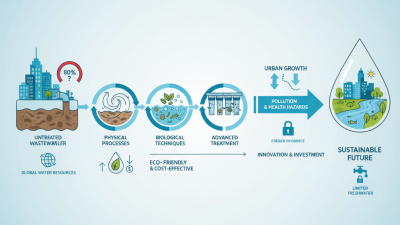
Industrial wastewater is not merely dirty water leaving a factory. It may carry oil films, heavy metals, solvents, nutrients, suspended solids, and heat. Without reliable control, these pollutants can damage receiving waters and disrupt production. The United Nations World Water Development Report has stated that more than 80% of global wastewater is discharged without adequate treatment. That figure reveals a serious gap between industrial growth and environmental responsibility.
Industrial waste water treatment systems help manufacturers reduce pollution, recover usable water, protect equipment, and improve process stability. Dr. George Tchobanoglous, a leading wastewater engineering authority, has emphasized that “the objective of wastewater treatment is to protect public health and the environment.” His principle remains practical. A well-designed system begins with sampling, not guesswork. It may combine screening, equalization tanks, dissolved air flotation, biological treatment, membrane filtration, and sludge management. Each stage has a purpose.
The details matter.
A food plant may need grease control. A metal-finishing facility may require precise metal precipitation. A chemical factory may need advanced oxidation or activated carbon. Choosing equipment only by price can create higher energy use, unstable discharge quality, and expensive retrofits. That mistake is common.
Still, no treatment system is perfect. Flow changes, chemical shocks, maintenance gaps, and operator training can reduce performance. Manufacturers should verify data, test pilot processes, and review lifecycle costs before installation. The strongest industrial waste water treatment systems are not simply purchased; they are engineered around real wastewater, measurable risks, and continuous improvement.
Industrial Wastewater: Sources and Treatment Challenges
Industrial wastewater rarely comes from one clean stream. Metal finishing may release chromium, nickel, oils, and acidic rinse water. Food processing often produces wastewater rich in fats, proteins, and suspended solids. Textile operations can add dyes, salts, and fluctuating pH levels. Even equipment cleaning creates chemical changes that are easy to overlook. Experienced operators trace each source before selecting treatment equipment.
The main challenge is inconsistency. Flow rates may rise sharply during production shifts, while pollutant levels change between batches. Biological treatment can struggle with toxic compounds or sudden temperature changes. Membrane systems may foul when oils and fine solids enter without proper pretreatment. Reliable sampling matters, but a few samples cannot represent every operating condition. One uncomfortable lesson is that a design can look efficient on paper and still perform poorly in daily use. Wastewater data must be reviewed with production schedules, maintenance records, and seasonal conditions.
Tips: Map drains and production areas separately. Test pH, temperature, flow, solids, oils, and metals regularly. Keep an emergency holding tank for unusual discharges. Ask operators what changes during cleaning or shift turnover. Small details often explain large treatment failures. Perfect predictions are unrealistic. Continuous review is necessary.
Why Choose Industrial Wastewater Treatment Systems?
Global freshwater withdrawals by sector
Industry accounts for approximately 19% of global freshwater withdrawals. Industrial wastewater can contain process chemicals, suspended solids, nutrients, oils, heavy metals, and high organic loads. Because wastewater characteristics vary significantly by industry and production process, treatment systems are designed to reduce pollutants before discharge, reuse, or recycling. Data source: FAO AQUASTAT global sectoral water-use estimates.
How Industrial Wastewater Treatment Systems Work
Industrial wastewater treatment is a sequence of checks and processes, not a single filter. Operators first sample the incoming flow and identify pollutants such as suspended solids, oils, metals, or high organic loads. The details matter. A food-processing discharge may need biological treatment, while a metal-finishing stream may require chemical precipitation. Screens and settling tanks remove coarse material; pH adjustment and coagulation help separate finer particles. Biological reactors then use microorganisms to break down biodegradable waste. Membranes, activated carbon, or disinfection may provide further polishing, depending on the water’s intended reuse or discharge.
Treatment does not always follow a neat, linear path. In practice, a sudden change in production can upset a biological process, so operators monitor flow, pH, oxygen, and pollutant levels and adjust conditions. Sludge also needs careful handling; removing contaminants from water does not make them disappear. The United Nations World Water Development Report 2017 estimated that more than 80% of wastewater worldwide was discharged without adequate treatment. That broad figure covers wastewater generally, not industrial flows alone, but it shows why reliable treatment and monitoring matter. Performance depends on the specific wastewater, sampling quality, and steady operation. Even a well-designed system can struggle when influent conditions change unexpectedly.
Why Choose Industrial Waste Water Treatment Systems? — How Industrial Wastewater Treatment Systems Work
| Treatment Stage | How It Works | Typical Role or Fact | Why It Matters |
|---|---|---|---|
| Screening and grit removal | Screens capture larger debris, while grit chambers allow dense particles such as sand to settle. | Physical pretreatment protects pumps, pipes, and downstream equipment from blockage and abrasion. | Useful when wastewater contains fibers, packaging fragments, or mineral solids. |
| Flow equalization | A holding tank blends wastewater and moderates changes in flow, concentration, or temperature before treatment. | Equalization does not remove pollutants by itself; it helps create steadier conditions for later processes. | Helps manage batch discharges and production shifts that can otherwise overload treatment equipment. |
| pH adjustment | Acids or alkalis are dosed and mixed to move wastewater toward a pH range suitable for the next process or discharge requirement. | The required pH depends on the treatment process and the applicable discharge permit; there is no single universal target. | Important for protecting biological treatment, supporting chemical reactions, and meeting site-specific limits. |
| Oil separation and primary clarification | Oil may be separated by gravity or flotation; settling tanks allow heavier suspended solids to collect as sludge. | Conventional primary sedimentation can typically remove about 50–70% of suspended solids and 25–40% of biochemical oxygen demand (BOD), depending on wastewater and design. | Reduces solids and oil loading before biological or membrane treatment. |
| Biological treatment | Microorganisms consume biodegradable organic matter in processes such as activated sludge, sequencing batch reactors, or moving-bed biofilm systems. | Well-designed conventional biological treatment can often remove roughly 85–95% of influent BOD under suitable operating conditions. | Can substantially reduce biodegradable organic pollution, but performance depends on wastewater composition, temperature, and operating control. |
| Filtration and advanced treatment | Media filters or membranes remove remaining particles. Activated carbon, ion exchange, or reverse osmosis may be added for specific dissolved contaminants. | Each technology targets different pollutants; reverse osmosis separates many dissolved substances but produces a concentrated reject stream. | Provides additional treatment when reuse goals or discharge limits require lower residual contaminants. |
| Disinfection | Ultraviolet light, ozone, or a chemical disinfectant inactivates microorganisms when microbial control is required. | Disinfection is selected according to reuse or permit requirements and may require control of residual disinfectant. | Helps reduce microbial risk for appropriate discharge or reuse applications. |
| Sludge handling | Settled and biologically generated solids are thickened and may be dewatered before transport, recovery, or permitted disposal. | Sludge quantity and classification depend on the pollutants removed and the treatment chemicals used. | A complete system must plan for residuals as well as treated water. |
| Monitoring and process control | Operators use flow meters, pH probes, and laboratory testing to track relevant parameters such as suspended solids, BOD, chemical oxygen demand, and metals. | Sampling frequency and required limits are established by the applicable permit and process needs. | Supports compliance, early detection of process changes, and more reliable operation. |
Typical removal figures are indicative, not guaranteed. Actual performance depends on wastewater characteristics, system design, operation, sampling methods, and applicable discharge or reuse requirements.
Environmental and Operational Benefits of Treatment
Industrial wastewater treatment can protect receiving waters and make plant operations more predictable. A properly selected system can remove suspended solids, oils, metals, and certain chemicals before discharge or reuse. The right process depends on the actual wastewater, so representative sampling matters more than a generic equipment list.
At a food-processing facility, screens may catch scraps before settling tanks reduce grit and solids. Biological treatment can lower biodegradable organic loads; filtration or disinfection may follow when needed. Cleaner water can reduce stress on nearby waterways. It may also limit scale, corrosion, and fouling in reuse loops, helping prevent interruptions. Small gains count.
Treatment can improve process visibility, too. Flow meters, pH checks, and routine lab tests can reveal changes before they become obvious. Yet systems require energy, chemicals, maintenance, and trained operators. Sludge still needs careful handling. Reuse is not automatic. Facilities should compare water-quality needs, operating costs, and maintenance capacity before selecting a design. Even good data can be incomplete: production shifts, cleaning cycles, or seasonal changes may alter incoming wastewater. That uncertainty deserves attention.
Industries That Use Wastewater Treatment Systems
Industrial wastewater treatment systems serve many sectors, but each faces a different water problem. Food and beverage plants handle wash water, oils, sugars, and organic residues. A dairy’s cleaning cycle can produce a sharp change in flow and strength within hours. Treatment must account for those shifts, not just an average sample. The details matter.
Metal finishing and electronics facilities may generate wastewater containing metals, acids, or fine particles. Textile mills often need to manage dyes, salts, and suspended fibers. Chemical and pharmaceutical production can create variable mixtures, so operators need reliable process records and regular testing. One standard treatment setup will not suit every facility.
Mining operations may treat water carrying sediment and dissolved minerals, while power plants manage cooling and equipment-cleaning water. In practice, screens clog, production schedules change, and sampling can miss short-lived peaks. It is not simple. A treatment plan should reflect actual flow measurements, contaminant testing, and the intended water use. Some facilities can reuse treated water for cooling or washing; others may find that additional treatment costs more than the benefit. That decision deserves regular review.
Factors to Consider When Choosing a System
Why Choose Industrial Waste Water Treatment Systems?
Choosing an industrial wastewater treatment system starts with the water, not the equipment catalogue. Measure flow, pH, temperature, suspended solids, oils, metals, and organic loading across several production shifts. A perfectly stable influent is a fantasy. Seasonal cleaning can suddenly double the load. The UN World Water Development Report 2017 estimated that more than 80% of global wastewater was discharged without treatment. This highlights why reliable treatment and accurate monitoring matter.
The discharge target should guide the process design. Confirm local permit limits, receiving-water sensitivity, and possible reuse requirements before selecting biological, chemical, membrane, or combined treatment. Energy use also deserves careful review. The International Energy Agency reports that wastewater services can consume significant electricity, especially when pumping and aeration dominate operations. Ask for verified energy data, not optimistic sales estimates. A system that meets limits but produces excessive sludge may create another expensive problem.
Daily operation is equally important. Check access to sampling points, spare parts, operator training, automation, and emergency storage. The system should remain manageable during high-flow events and equipment maintenance. Pilot testing can expose problems that laboratory samples hide. It costs time. It may prevent a costly redesign. Sludge handling, chemical storage, noise, and worker safety require practical planning, too. In my experience, the most overlooked factor is maintenance discipline. Sophisticated equipment cannot compensate for neglected calibration, clogged sensors, or incomplete operating records.
Related Posts
-
How to Choose Industrial Waste Water Treatment Systems?
-
7 Tips for Choosing Industrial Wastewater Treatment Systems
-
How to Choose Industrial Wastewater Treatment Systems?
-
Top Industrial Waste Water Treatment Systems Worldwide?
-
2026 Top Industrial Waste Water Treatment Technologies
-
Top 10 Waste Water Treatment Methods You Should Know?