What Are the Top Types of Wastewater Treatment Systems?
Wastewater treatment is not a single machine or recipe. A small hotel, a food-processing plant, and a growing city may need very different solutions. Each wastewater treatment system must handle its flow, contaminants, available space, and discharge or reuse goals. The right choice can protect receiving waters and reduce operating costs. The wrong one may struggle with peak flows or produce uneven results.
Several system types appear across the field. Conventional activated sludge uses aeration tanks and clarifiers to remove organic pollutants. Sequencing batch reactors perform treatment stages in one tank, while membrane bioreactors pair biological treatment with fine filtration. Moving bed biofilm reactors support microorganisms on plastic carriers. Smaller sites may use package plants or decentralized systems. Each has trade-offs. Membranes, for example, can produce high-quality effluent, but require careful maintenance and energy.
Wastewater expert Dr. Bruce Rittmann’s research supports a useful principle: wastewater can be viewed as a recoverable resource, not merely a disposal burden. This is a paraphrase of his broader work, not a direct quotation. That perspective helps explain why some facilities also recover nutrients, reuse water, or capture biogas. Still, resource recovery is not practical everywhere. Site conditions matter.
This guide compares the leading system types, their core processes, and where they tend to fit best. It also considers costs, maintenance, treatment performance, and limitations. There is no universal winner. A sound choice starts with actual wastewater data and realistic operating needs.
How Wastewater Treatment Systems Are Classified
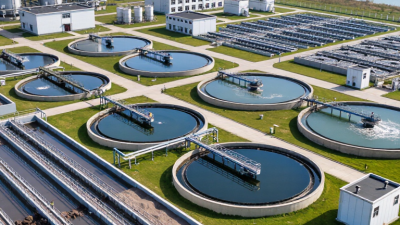
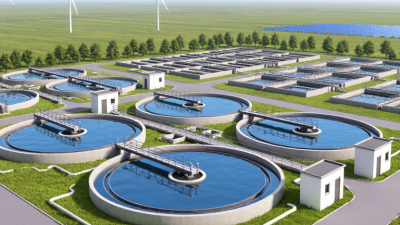
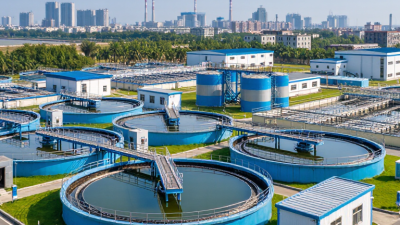
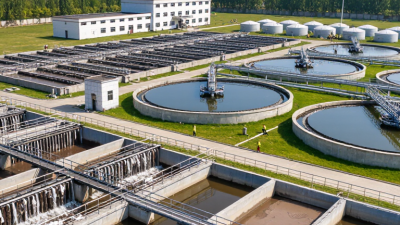
Wastewater treatment systems are often classified by treatment stage, process type, and operating scale. In a conventional municipal plant, primary treatment uses screens and settling tanks to remove rags, grit, and suspended solids. Secondary treatment relies on microorganisms to break down dissolved organic matter, often in aeration tanks or attached-growth filters. Tertiary treatment may add filtration, nutrient removal, or disinfection when the intended water use requires it. The labels can overlap. Not always. A plant may combine several processes in one compact unit, so stage names alone do not describe its performance.
Systems are also grouped as centralized or decentralized. Centralized plants collect flows through sewer networks and serve dense communities; decentralized units treat wastewater near homes, buildings, or small sites. Common biological process types include activated sludge, sequencing batch reactors, moving-bed biofilm systems, and constructed wetlands. Each responds differently to changing flow, operator attention, available land, and energy limits. A wetland may need more land but little mechanical aeration. An activated-sludge plant can fit tighter sites, yet depends on steady control. Small systems are not automatically simple. Seasonal occupancy, grease, stormwater inflow, and soil conditions can all change what works. Classification is a useful starting point, not a substitute for testing wastewater and defining the required effluent quality.
Physical Systems for Preliminary and Primary Treatment
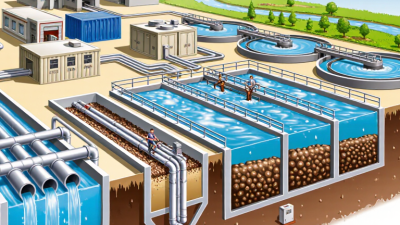
Physical treatment protects later wastewater processes by removing material that can be screened, settled, or skimmed. At a treatment plant, incoming flow may carry rags, wipes, plastic fragments, sand, and grit. Coarse screens catch larger objects; finer screens capture smaller debris. Operators remove accumulated screenings regularly, since a blocked screen can restrict flow and create unpleasant odours. Small gaps matter.
Grit chambers slow or redirect the water so heavier particles, such as sand and small stones, settle without trapping as much organic material. This step helps limit abrasion in pumps and pipes. It sounds simple, but changing flow rates can affect how well grit separates. Systems need adjustment to match local conditions.
Primary treatment usually follows screening and grit removal. In a primary settling tank, wastewater moves slowly while suspended solids sink into sludge. Oils and grease may rise and be skimmed from the surface. This can reduce the solids and organic load entering biological treatment, but it does not reliably remove dissolved pollutants or every fine particle. That limitation is easy to overlook. Tank performance depends on flow, maintenance, and the wastewater itself; a design that works well at one site may need changes elsewhere.
What Are the Top Types of Wastewater Treatment Systems? – Physical Systems for Preliminary and Primary Treatment
| System type |
Typical treatment stage |
How it works |
Main materials managed |
Key operating consideration |
| Coarse screens |
Preliminary |
Bars or perforated openings intercept large objects as wastewater flows through. |
Rags, sticks, plastics, and other large debris |
Screenings need regular removal and appropriate disposal; accumulated debris can restrict flow. |
| Fine screens |
Preliminary, usually after coarse screening |
Smaller openings capture finer suspended debris by physical screening. |
Smaller solids such as fibers, food particles, and fine plastics |
Fine openings can clog more readily, so cleaning and screenings handling are important. |
| Comminutors and grinders |
Preliminary |
Cut or shred solids into smaller pieces so they can pass through the equipment. |
Rags and other shreddable debris |
They reduce particle size rather than remove solids, so shredded material remains in the wastewater stream. |
| Grit chambers |
Preliminary |
Controlled flow allows dense inorganic particles to settle while most organic solids remain in suspension. |
Sand, gravel, silt, and other dense particles |
Flow conditions must limit organic matter settling while capturing grit that can wear or clog downstream equipment. |
| Skimming tanks and grease traps |
Preliminary or primary, depending on the facility |
Floating material rises to the surface and is removed by skimming or collection devices. |
Fats, oils, grease, and floating solids |
Collected scum requires periodic removal; performance depends on suitable flow and retention conditions. |
| Primary sedimentation tanks (primary clarifiers) |
Primary |
Reduced flow velocity lets settleable solids sink; floating scum is also collected at the surface. |
Settleable suspended solids and floating scum |
Sludge and scum must be removed routinely; settling performance is affected by hydraulic loading and solids characteristics. |
| Primary microscreens |
Primary, where selected as an alternative or supplementary process |
Water passes through a fine screen surface that retains suspended particles for removal. |
Fine suspended solids and particulate matter |
Screen cleaning and management of captured solids are essential; suitability depends on wastewater characteristics. |
Note: Preliminary treatment protects downstream processes by removing or managing large debris and grit. Primary treatment mainly separates settleable and floating solids; these physical processes do not by themselves provide complete wastewater treatment.
Biological Systems for Secondary Treatment
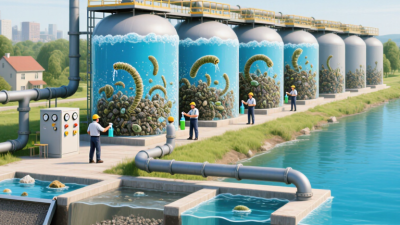
Biological systems use microorganisms to remove dissolved and fine organic matter during secondary wastewater treatment. In activated-sludge systems, wastewater mixes with microbial flocs in an aeration tank. Air supplies oxygen, while microbes consume biodegradable pollutants. The mixture then flows to a secondary clarifier, where solids settle and treated water moves onward. Attached-growth systems work differently: microbes grow on media, forming a living film that wastewater passes over. Some facilities combine approaches to meet changing flows. Neither method is effortless.
Performance depends on oxygen, temperature, wastewater strength, and how long solids remain in the process. A sudden toxic discharge or heavy flow can upset microbial activity. Operators monitor indicators such as dissolved oxygen, settling behavior, and suspended solids. Sludge bulking can make the clarifier’s water look cloudy, even when the aeration tank seems normal. That mismatch deserves investigation, not guesswork.
Tips: Check aeration patterns and clarifier surfaces during routine rounds. Record changes over time; one reading rarely tells the full story. A faint earthy smell may occur, but persistent strong odors can signal process stress. Review laboratory results alongside what staff observe on site. Biological treatment is adaptable, but it does not correct every problem upstream.
Advanced Systems for Nutrient and Contaminant Removal
What Are the Top Types of Wastewater Treatment Systems?
Advanced treatment systems target nutrients and contaminants that conventional settling and biological treatment may leave behind. Biological nutrient removal uses carefully managed oxygen levels to support nitrogen conversion and phosphorus uptake. Operators monitor dissolved oxygen, flow, and water quality; small process shifts can affect performance. It takes close attention.
Membrane bioreactors combine biological treatment with fine membrane filtration, producing water with fewer suspended solids. Tertiary filters can capture remaining particles, while activated carbon may reduce certain dissolved organic compounds. Some facilities use ion exchange or advanced oxidation for specific contaminants, but these methods are not universal fixes. The right choice depends on what enters the plant and what the treated water must meet.
Phosphorus can also be removed through chemical precipitation, which creates solids that require further handling. That trade-off matters. Advanced treatment can improve water quality, yet it may increase energy use, maintenance needs, and residual sludge. A plant treating nutrient-rich runoff may need a different system from one addressing trace chemicals in municipal wastewater. Regular sampling helps reveal whether the process is working as intended. Still, design is rarely tidy: seasonal flows and changing wastewater composition can complicate even a well-planned treatment train.
Decentralized and Nature-Based Treatment Systems
Decentralized wastewater treatment manages sewage near the buildings that produce it, rather than sending it to a distant central plant. Common options include septic tanks with soil dispersal, small package plants, and clustered systems serving several homes. They can suit rural areas or sites where extending sewer lines is impractical. But system choice depends on wastewater volume, soil conditions, groundwater depth, and available maintenance.
Nature-based systems, such as constructed wetlands and treatment ponds, use plants, soil, and natural microbial processes to reduce pollutants. A wetland may contain shallow gravel beds, water-tolerant plants, and carefully controlled flow. These systems can blend into a landscape, but they still need sound design and routine checks. Cold seasons, clogged inlets, or uneven water flow can affect performance. Green does not mean maintenance-free. Site assessments and qualified operators matter.
Tips: Check who will inspect the system and how often. Keep vehicles away from treatment beds, and watch for pooling water or unusual odors. Small warning signs count. A nature-based design may need more land than expected, so confirm space and seasonal performance before choosing one.
Typical reported BOD₅ removal ranges are indicative, not guaranteed performance. Actual results vary with system design, loading, climate, and operation. Septic tanks provide primary treatment; constructed wetlands and stabilization ponds are nature-based options.