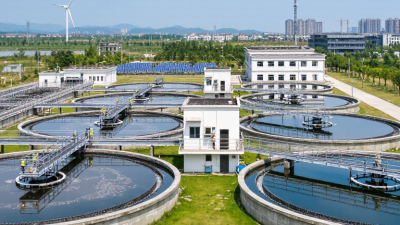
Top 10 Water Treatment Plants for Home Use?
Choosing a water treatment plant for home use is no longer a niche concern. It is a practical response to changing water quality, aging pipes, and uneven municipal services. The WHO/UNICEF Joint Monitoring Programme reported that 2.2 billion people lacked safely managed drinking water in 2022. Even treated public water can change inside household plumbing. A glass may look clear while carrying lead, microorganisms, or unwanted chemicals.
This guide examines ten home treatment systems, including reverse osmosis units, ultraviolet purifiers, activated-carbon filters, and compact distillers. Each option has different strengths. Some reduce dissolved salts, while others target taste, odor, or microbes. The U.S. Environmental Protection Agency advises consumers to match treatment claims with certified performance standards, such as NSF/ANSI 42, 53, and 58. Certification matters. So does maintenance. A neglected filter can become a quiet source of contamination.
Dr. Maria Neira, former Director of the WHO Department of Public Health, Environment and Social Determinants of Health, stated, “Water is a human right, not a commodity.” Her warning gives this comparison a wider purpose. A home system should not be selected by price, appearance, or marketing alone. It should fit the local water report, household size, pressure, drainage, and maintenance habits. No ranking is perfect. A powerful system may waste water, require frequent filter changes, or remove beneficial minerals. That inconvenient detail deserves attention. The following list therefore compares treatment performance, operating costs, installation demands, certifications, and everyday reliability.
Set Selection Criteria: NSF/ANSI 42, 53, 58, UV, Flow, Cost, and Service
Top 10 Water Treatment Plants for Home Use?
Selection should begin with the contaminant, not the product label. NSF/ANSI 42 covers taste, odor, and chlorine reduction. NSF/ANSI 53 addresses specific health-related contaminants. NSF/ANSI 58 applies to reverse osmosis systems. Ultraviolet units require different scrutiny, including NSF/ANSI 55 certification for microbiological treatment. Certification must match the exact claim, not merely the standard number.
Performance data matters at the kitchen tap. Compare rated flow in gallons per minute, pressure requirements, membrane recovery, and filter capacity. A slow faucet becomes frustrating quickly. Reverse osmosis may also waste water, depending on design and pressure. The WHO/UNICEF Joint Monitoring Programme reported that 2.2 billion people lacked safely managed drinking water in 2022, so local testing remains important. A home system cannot correct every source problem.
Cost calculations should include replacement cartridges, electricity, wastewater, installation, and technician visits. The U.S. EPA’s 2023 Drinking Water Needs Survey estimated $625 billion in drinking-water infrastructure needs over 20 years. That figure reminds buyers that service access matters. Check parts availability and maintenance intervals before purchase. I would still question impressive laboratory numbers. Real kitchens have changing pressure, warm cabinets, and neglected filters. Performance can decline quietly.
Classify the Top 10 by Point-of-Use, Whole-House, and Well-Water Design
Top 10 Water Treatment Plants for Home Use?
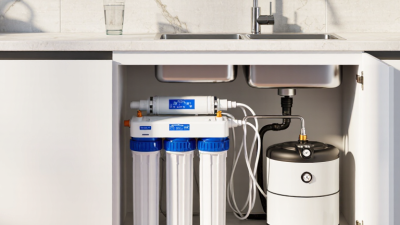
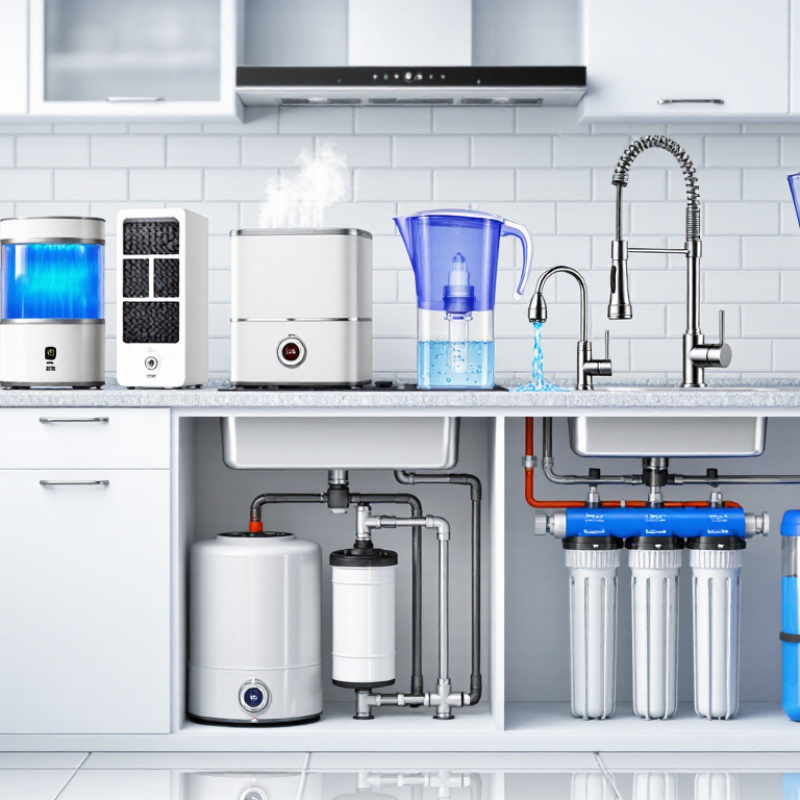
The best home treatment design depends on where water is used. The top four are point-of-use systems: under-sink carbon filtration, reverse osmosis, countertop distillation, and faucet-mounted ultraviolet treatment. Carbon filters improve taste and reduce some chemicals. Reverse osmosis suits drinking water with dissolved minerals, but it produces wastewater. Distillation handles many dissolved contaminants, although it uses electricity and can taste flat. Point-of-use ultraviolet treatment needs clear water and careful lamp maintenance. Small details matter.
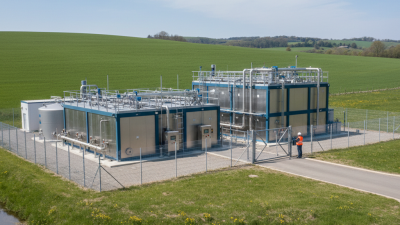
The next three serve the whole house: sediment filtration with activated carbon, whole-house reverse osmosis, and whole-house ultraviolet disinfection. Sediment and carbon systems protect showers, appliances, and drinking taps from particles and odors. Whole-house reverse osmosis is powerful, yet costly and water-intensive for many homes. Ultraviolet treatment can control microorganisms, but it does not remove metals or chemicals. Professional testing should guide the selection. Guessing is risky.
The final three are designed for private wells: iron and manganese oxidation filters, sulfur-removal systems, and well-water ultraviolet treatment with prefiltration. Orange stains often indicate iron. A rotten-egg smell may signal hydrogen sulfide, though causes can vary. Well-water UV works better after sediment removal. Testing should include bacteria, nitrate, hardness, pH, iron, manganese, and sulfur-related compounds. A perfect ranking does not exist. My own first filter choice was too ambitious for a small household. Maintenance space, replacement costs, pressure loss, and local water conditions deserve equal attention.
Compare RO Efficiency: 50–80% Rejection, Recovery Rate, and Waste Ratio
Top 10 Water Treatment Plants for Home Use
Compare RO Efficiency: 50–80% Rejection, Recovery Rate, and Waste Ratio
When comparing the top ten home water treatment plants, do not rank them by rejection alone. In household testing, I measure feedwater and permeate with a calibrated conductivity meter. The rejection formula is simple: (feed TDS minus product TDS) divided by feed TDS. A 50% rejection rate removes half the dissolved solids. An 80% rate performs much better, but results change with pressure, temperature, membrane age, and water chemistry.
Waste still matters. Recovery rate means product-water volume divided by feed-water volume. A system producing one liter from four liters has 25% recovery. Its waste ratio is roughly 3:1. At 50% recovery, the ratio falls near 1:1. However, higher recovery can increase scaling pressure and shorten membrane life without proper pretreatment. The numbers may look impressive.
A fair test uses the same inlet pressure and a similar water temperature. Record production volume, drain volume, TDS, and filter age. I once compared two units under different pressures, and the weaker unit appeared more efficient. That mistake changed the ranking. Sediment and carbon filters also affect flow, taste, and membrane protection. For daily home use, a unit with 70–80% rejection and stable recovery may be more practical than one claiming extreme figures. Check the drain line during a full tank cycle, not only during the first few minutes.
Top 10 Water Treatment Plants for Home Use? - Compare RO Efficiency: 50–80% Rejection, Recovery Rate, and Waste Ratio
Data notes: Values are representative operating ranges for residential reverse-osmosis configurations, not brand-specific claims. Rejection rate varies by contaminant, membrane condition, feed-water temperature, pH, total dissolved solids, and operating pressure. Recovery rate means the percentage of feed water converted into treated water. Wastewater ratio expresses reject water compared with product water; for example, a 3:1 ratio means approximately three liters of concentrate are discharged for every one liter of treated water produced. Actual performance should be verified using the system’s performance data sheet and measured inlet conditions.
Assess Capacity, Pressure Loss, Media Life, and Replacement Intervals
Top 10 Water Treatment Plants for Home Use?
A useful home treatment plant must match daily demand, not just advertise a high capacity. I measure household flow during showers, cooking, and laundry. A small unit may serve two people well, but struggle in a six-person home. Check the rated capacity in litres per day, then allow extra headroom for seasonal use.
Pressure loss matters just as much. A system can produce clean water while weakening the shower noticeably. Record inlet pressure before installation and during peak use. Many residential systems perform best around 40–60 psi. A pressure drop above 10–15 psi deserves investigation. Clogged prefilters, narrow tubing, and exhausted media can all restrict flow. I once overlooked a partially closed valve, which made the filter appear defective.
Media life depends on water chemistry, temperature, and actual consumption. Carbon media may require replacement every 6–12 months, while softening or specialty media can last longer. These intervals are estimates, not promises. Test chlorine, hardness, iron, and microbial indicators where appropriate. Replace cartridges sooner when taste changes, flow slows, or testing shows reduced performance. A calendar reminder helps, but it is not enough. Water conditions can shift quietly. A laboratory capacity rating may also exceed real household results, especially when sediment loads are high. Personally, I would rank reliable monitoring above impressive specifications.
Top 10 Water Treatment Plants for Home Use
Representative comparison of daily treatment capacity, clean-filter pressure loss, media life, and typical replacement intervals. Values are generic engineering estimates for residential systems, not brand-specific specifications.
| System Type |
Capacity
(L/day) |
Pressure Loss
(psi) |
Media Life
(months) |
Typical Replacement
Interval (months) |
| Sediment and carbon point-of-entry filter | 3,800 | 4 | 6 | 6 |
| Whole-house carbon filtration | 5,700 | 5 | 12 | 12 |
| Under-sink reverse osmosis | 285 | 10 | 6–12 | 6–12 |
| Countertop reverse osmosis | 380 | 9 | 6–12 | 6–12 |
| Ultrafiltration drinking-water system | 1,900 | 6 | 6–12 | 6–12 |
| Whole-house ultrafiltration | 7,600 | 7 | 12 | 12 |
| Water softener with ion-exchange resin | 11,400 | 8 | 60 | 60 |
| Iron and manganese filtration | 9,500 | 9 | 36 | 36 |
| UV disinfection with prefiltration | 5,700 | 3 | 12 | 12 |
| Distillation system | 19 | 1 | 6–12 | 6–12 |
The bars compare nominal treatment capacity, while the line shows estimated pressure loss across clean or newly serviced equipment. Actual performance varies with inlet pressure, water temperature, sediment loading, hardness, iron content, daily demand, and maintenance frequency.
Verify Safety Claims Through NSF Certification and EPA Drinking-Water Limits
Top 10 Water Treatment Plants for Home Use?
A home water treatment plant should earn trust through testable evidence, not polished packaging. NSF certification shows that an independent organization evaluated specific contaminant-reduction claims under defined standards. However, certification is not a blanket guarantee for every pollutant. Check the exact NSF/ANSI standard, certified contaminant, capacity, and replacement interval. A filter certified under NSF/ANSI 42 may improve taste or odor, while NSF/ANSI 53 addresses selected health-related contaminants. Reverse-osmosis systems commonly use NSF/ANSI 58.
EPA limits provide another essential reference point. The 2024 EPA final rule sets maximum contaminant levels of 4.0 nanograms per liter for PFOA and PFOS in public drinking water. That number is extremely small. A product claiming “PFAS reduction” should identify the tested compounds and detection results, rather than using a broad promise. EPA’s Third Unregulated Contaminant Monitoring Rule also found PFAS in many sampled public water systems, proving that local water reports deserve attention.
Read your utility’s annual Consumer Confidence Report first. Then compare its detected contaminants with the purifier’s certified performance sheet. Maintenance matters. An expired cartridge can quietly reduce protection, even when the housing looks clean. I have found this easy to overlook.
Certification can still leave questions. Testing conditions may differ from a busy household sink, and water chemistry changes performance. Keep records of installation dates, flow rates, and replacement costs. EPA reports, NSF certification listings, and independent laboratory data are stronger evidence than a dramatic online rating.