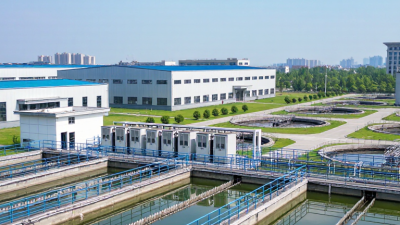
China Best Waste Water Removal Equipment Suppliers
Choosing a reliable supplier for waste water removal equipment in China requires more than comparing prices. Treatment plants, factories, and construction sites face different flow rates, solids, and operating conditions. A pump suited to clear water may clog when handling fibrous waste or grit. Small details matter.
This guide introduces practical ways to assess Chinese suppliers, from product range and manufacturing experience to quality documentation and after-sales support. Buyers can compare submersible pumps, screening systems, sludge-handling equipment, and related components against their actual site requirements. Ask for verified performance data, such as flow, head, material specifications, and motor efficiency. A pump curve is more useful than a broad capacity claim. Check whether parts, installation guidance, and technical support are available for the destination market.
Supplier selection should also include a conversation about limitations. Request references for similar applications, and confirm how equipment performs under variable loads. Photos can help, but they do not replace inspection records or clear test procedures. No supplier is perfect. Even a well-built unit can disappoint if it is incorrectly sized or poorly maintained. This overview is not a ranking based on unverified claims; it is a starting point for careful comparison. The best choice is the one that fits the operating conditions, offers transparent information, and can support the equipment beyond the sale. That takes time. Worth it.
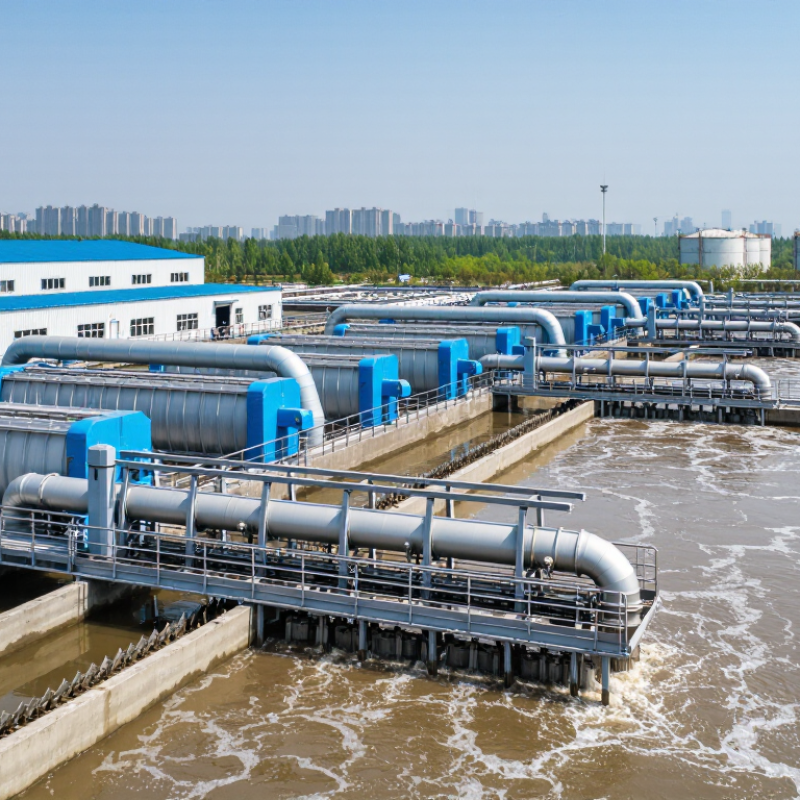
China Wastewater Removal Equipment: Scope, Applications, and Treatment Stages
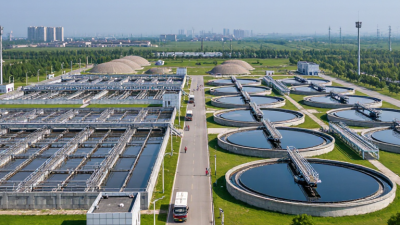
China wastewater removal equipment covers more than pumps and screens. Municipal plants handle household sewage, while factories need systems matched to their wastewater’s changing flow and pollutant load. The treatment train often starts with coarse screens and grit removal, then uses equalization and primary settling. Biological reactors reduce organic matter; filtration, disinfection, or nutrient removal may follow. Sludge thickening and dewatering complete the solids line. Each stage has a job.
The UN-Water 2024 update reports that 42% of household wastewater generated worldwide in 2022 was not safely treated before discharge. This is a global indicator, not a China-specific equipment benchmark. It highlights why capacity alone is a weak buying measure. Buyers should check peak-flow performance, influent variability, energy use, maintenance access, and verified outlet data. A compact plant can fit a tight site, yet poor equalization may destabilize its biological stage. That detail is easy to miss.
Tips: Ask suppliers for process diagrams, design assumptions, and operating data from comparable wastewater. Check screen spacing, pump duty points, and sludge moisture targets. Treat projected savings cautiously; actual results depend on influent quality and operator practice.
Screening and Grit Removal: Compare Screen Spacing and Particle Size
When comparing wastewater removal equipment suppliers, look beyond the headline screen opening. A 6 mm bar gap can retain larger rags and debris, but it will not reliably capture smaller particles. Check whether the stated spacing is clear opening or bar center-to-center distance. That detail changes what can pass through.
Measure the solids in your own influent. A sample jar may reveal long fibers, plastic fragments, and sand grains that a single average size would hide. Screens handle larger material; grit chambers rely on particle settling, flow speed, and retention time. If the target is fine grit, such as particles near 0.2 mm, ask suppliers for performance data under comparable flow conditions. Small differences matter.
Ask how tests account for peak flow and changing solids loads. A narrow screen may improve capture, yet it can blind more quickly and require frequent cleaning. A wider gap may reduce clogging but let troublesome debris downstream. There is no perfect cut-off. Supplier charts can look precise, while actual channels behave less neatly. Review the measurement method, expected removal range, and maintenance needs together; I would not choose by spacing alone.
Primary Sedimentation: Typical 50–70% TSS and 25–40% BOD₅ Removal
Primary sedimentation removes settleable solids before biological treatment. Under suitable conditions, a well-operated clarifier may reduce total suspended solids by about 50–70% and BOD₅ by roughly 25–40%. These are typical ranges, not promises. Performance depends on wastewater characteristics, flow patterns, and retention time.
Look for practical design details when comparing wastewater removal equipment suppliers. Tank geometry, inlet energy dissipation, and scraper reliability all affect settling. At the outlet, a clear sample can be encouraging, but regular influent and effluent testing tells a more useful story. Check TSS and BOD₅ over changing flows, not just on a quiet operating day. Small details matter.
Operators should also watch the sludge blanket. If it rises too high, solids may escape over the weirs; if sludge sits too long, odors can develop. That part is easy to underestimate. Grease, temperature shifts, and uneven loading can move results outside the usual range. A supplier’s stated removal figures should therefore be matched against site-specific testing, operating records, and a realistic maintenance plan.
Biological, Membrane, and Sludge Equipment: Compare Capacity and Energy Use
Biological, membrane, and sludge equipment should be compared by both design flow and actual operating load. A biological treatment line may process large volumes, but its footprint and aeration demand depend on wastewater strength, temperature, and discharge targets. The U.S. EPA’s 2013 energy-management guidance gives a broad wastewater-treatment benchmark of about 1,000–2,000 kWh per million gallons, or 0.26–0.53 kWh per cubic metre. Treat this as a screening range, not a supplier guarantee.
Membrane bioreactors combine biological treatment with filtration, so they can fit tighter sites and produce consistently clear effluent. Their membrane scouring and air supply add power demand; compare guaranteed kWh per cubic metre at average and peak flow. Small details matter. Ask for fouling assumptions and cleaning frequency, too. A design rated only by daily capacity can look better than it performs during rainy inflow peaks.
Sludge equipment needs a different comparison: kilograms of dry solids processed per hour, cake dryness, and energy per tonne of dry solids. The U.S. EPA’s Biosolids Technology Fact Sheet series identifies dewatering performance as dependent on sludge characteristics and equipment configuration. Request test results using representative sludge, not just a catalogue maximum. A wetter cake means more material to haul, even when the machine’s electricity use appears low. That trade-off is easy to overlook, and supplier data may not capture it.
China Supplier Evaluation: Check Compliance with Grade 1A COD Limit of 50 mg/L
Evaluating wastewater removal equipment in China requires more than checking a brochure. For municipal wastewater treatment plant effluent, Grade 1A commonly sets COD at 50 mg/L under GB 18918-2002. Confirm that this requirement applies to your project, discharge route, and permit; industrial wastewater may face different conditions.
Ask suppliers for full-scale operating data, not only pilot results. Records should show influent COD ranges, flow rates, sampling dates, and treated-water results across seasons. Request the test method and reports from a qualified laboratory. One sample proves little.
During a technical review, trace how the proposed process handles changing loads. Check equalization capacity, biological treatment, aeration control, sludge management, and any polishing stage. Ask what happens after a sudden COD increase or equipment downtime.
Tie guaranteed outlet values to defined influent conditions, temperature, flow, and testing frequency. Inspect commissioning plans and operator training; even sound equipment can miss its target when maintained poorly.
Keep raw logs. Compare several months of data where possible, including startup periods. Supplier claims may look precise, yet missing operating context remains a real weakness.
Related Posts
-
China Top Wastewater Treatment Plant Manufacturers?
-
How Does Wastewater Treatment Plant Process Work in China?
-
What Are the Top Types of Wastewater Treatment Systems?
-
China Top 10 Sewage Treatment Plant Process Suppliers?
-
Why Is the Sewage Treatment Plant Process Important?
-
What Are the Top Types of Wastewater Package Plants?